Korea on a budget: what things cost, and where the money goes
Korea sits in an odd place on the price map: hotels and coffee cost what they cost in Europe, while transport, museums, a full lunch and a night in a bathhouse cost what they cost in Southeast Asia. The difference between an expensive trip and a cheap one is almost entirely about which of those two Koreas you live in. This page gives real 2026 prices, three daily budgets, and the short list of passes that are actually worth buying.
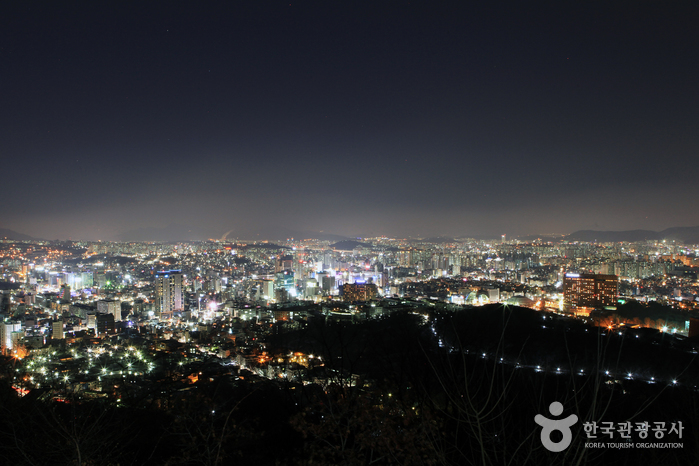
Gwangjang MarketGyeongbokgung PalaceSeoul Namsan Park
Three daily budgets, Seoul, per person
₩60,000 · about US$45
Hostel dorm, subway and bus, market and gukbap meals, palaces and free museums, convenience-store beer by the river. Entirely doable and not grim.
₩130,000 · about US$95
A business hotel or good guesthouse room, two sit-down meals including one barbecue, a paid attraction or a day trip by coach, a café stop, a taxi home once.
₩250,000 · about US$185
A four-star hotel, restaurants you chose on purpose, a theme park or a KTX day out, a night in Hongdae or Itaewon. Comfortable without trying.
Exchange rate assumed at roughly ₩1,350 to the dollar. Busan and the provinces run 10–20% cheaper on beds and food; Jeju runs dearer on cars and seafood.
Transport: the biggest saving is not taking taxis
Subway and bus
A Seoul subway ride is about ₩1,550 and a city bus about ₩1,500 with a T-money card, with free transfers between them within 30 minutes. A day of moving around the city costs ₩5,000–7,000. The card itself is ₩3,000–5,000 from any convenience store and works in every city.
Climate Card
Seoul’s unlimited subway-and-bus pass has short-term versions for visitors — roughly ₩5,000 for one day up to ₩20,000 for seven. It pays off from about four rides a day. It does not cover the airport express or trains outside Seoul.
From the airport
The all-stop AREX train to Seoul Station is under ₩5,000 and takes an hour; the express is about ₩11,000 for 43 minutes; airport buses are ₩17,000–18,000 and go to more neighbourhoods; a taxi is ₩70,000 and up. The all-stop train is the budget answer unless you have a lot of luggage.
Between cities
Seoul to Busan is about ₩60,000 by KTX (2 h 40), ₩30,000 by express bus (4 h 30), and ₩28,000 on the slow Mugunghwa train (5 h 30). Buses go everywhere, leave every 10–30 minutes on the main routes, and rarely need booking on a weekday. The Korail Pass only pays if you take three or more long KTX legs.
Jeju
Flights from Seoul’s Gimpo start around ₩20,000–40,000 one way midweek on the budget airlines, less than the KTX to Busan. The cost on the island is the rental car; see the Jeju guide for the licence rule.
Taxis
Cheap by Western standards — about ₩4,800 to start and ₩10,000–15,000 across a district — but a 20–40% surcharge applies after 22:00, and a week of them adds up faster than anything else on this page.
Food: the ₩10,000 lunch is still there
Prices have risen since 2022, but the structure of Korean eating still favours the visitor: a bowl of gukbap (rice in soup) or a set lunch with side dishes runs ₩9,000–12,000, a roll of kimbap ₩3,500–5,000, convenience-store kimbap and triangle rice balls ₩1,500–2,500, and everything comes with free water and refills of the side dishes. There is no tipping and no service charge.
Markets
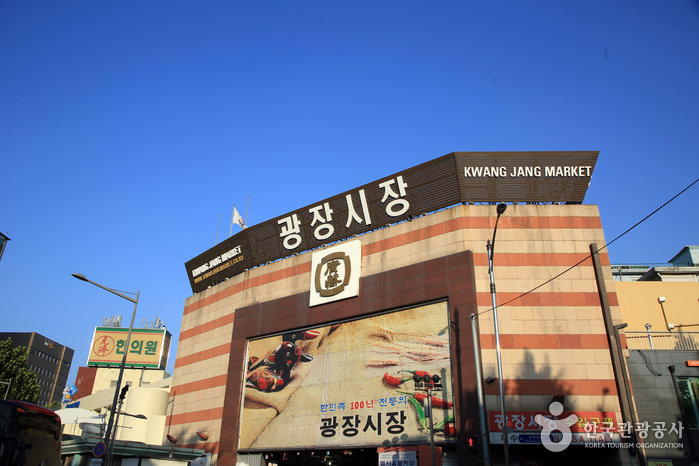
Gwangjang, Tongin, Namdaemun in Seoul; Gukje and Bupyeong in Busan. Bindaetteok, tteokbokki, mung-bean pancakes and noodles at ₩4,000–8,000 a plate, and the atmosphere is the attraction.
Barbecue
The one meal that is not cheap: ₩15,000–20,000 per portion of pork belly and you order two, so ₩40,000–50,000 for two people with drinks. Worth it once; ruinous nightly.
Coffee
₩4,500–6,000 at the big chains and the pretty cafés; ₩1,500–2,500 at the budget chains (Mega Coffee, Compose, Paik’s) on every corner, and the coffee is fine. This is the single easiest ₩20,000-a-week saving.
Drinks
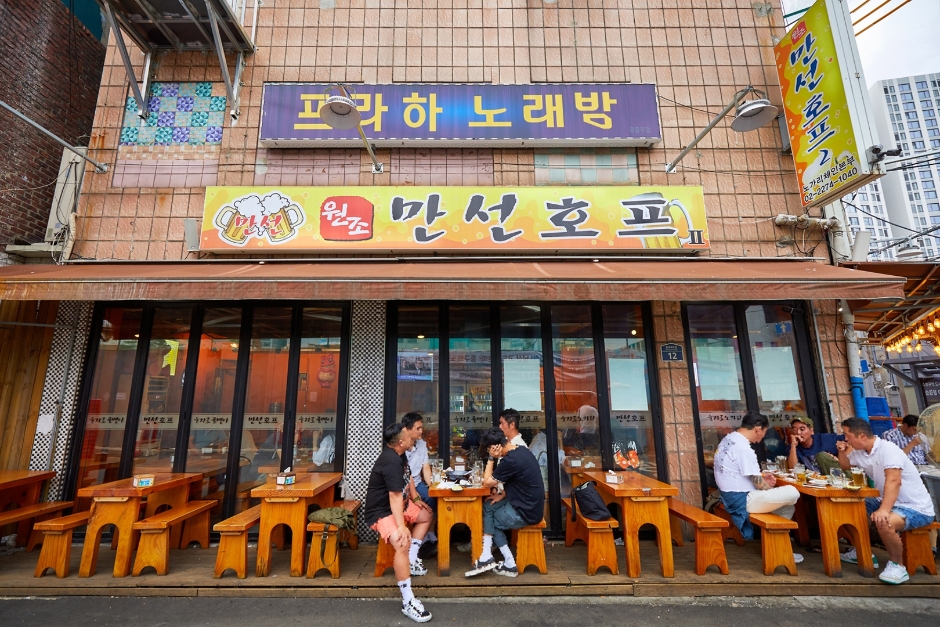
Soju or beer ₩5,000–7,000 in a restaurant, ₩1,800–3,000 in a convenience store, and the plastic tables outside the store are a legitimate Korean bar.
Breakfast
Hotels charge ₩20,000–40,000 for it; the bakery chain or the convenience store charges ₩5,000. Skip the hotel breakfast.
₩25,000–40,000 in Hongdae, Myeongdong or Busan Station; private rooms from ₩60,000.
Guesthouse or business hotel
₩60,000–120,000 for a clean double with a bathroom. The chains near big stations are reliable and unromantic.
Motels
Korea’s “love motels” are, in practice, cheap hotels: ₩50,000–80,000, large rooms, often the best value in a provincial city. Book on the same sites as hotels.
Jjimjilbang
A bathhouse with sleeping halls, ₩15,000–25,000 for the night, a mat and a communal room. Fine for one night after a late one; not a base.
Templestay
₩50,000–100,000 a night including meals and the programme. Not cheap per se, but it replaces dinner, breakfast and a day’s sightseeing.
Hanok stays
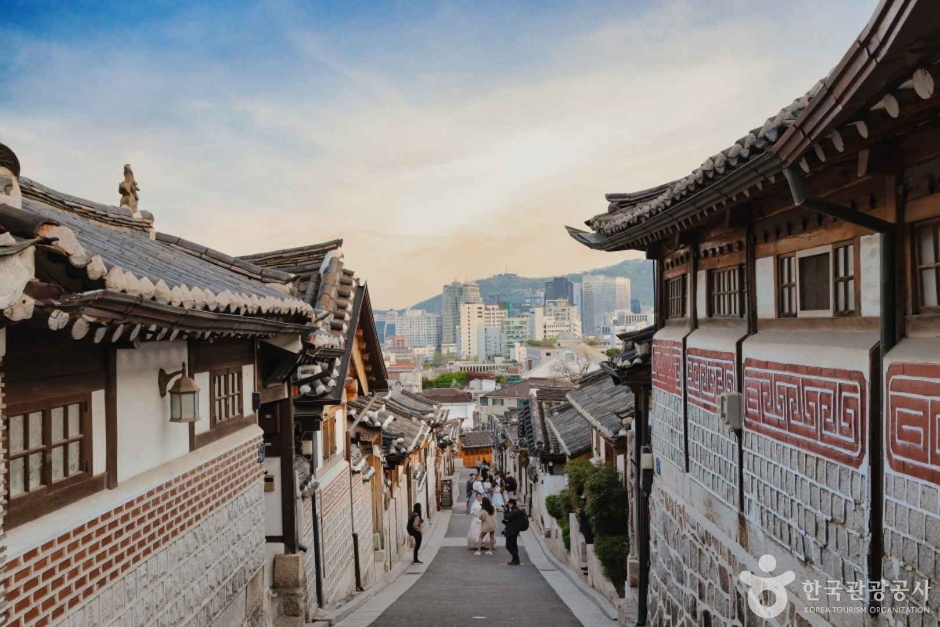
₩80,000–200,000. Jeonju and Bukchon are the classic places; Gyeongju’s are quieter and cheaper.
Prices double for the cherry-blossom weeks in early April, the autumn-foliage weekends in October, and around the holidays. Seoul midweek in January is the cheapest the country gets.
Sights: most of the best things are free or nearly
Palaces
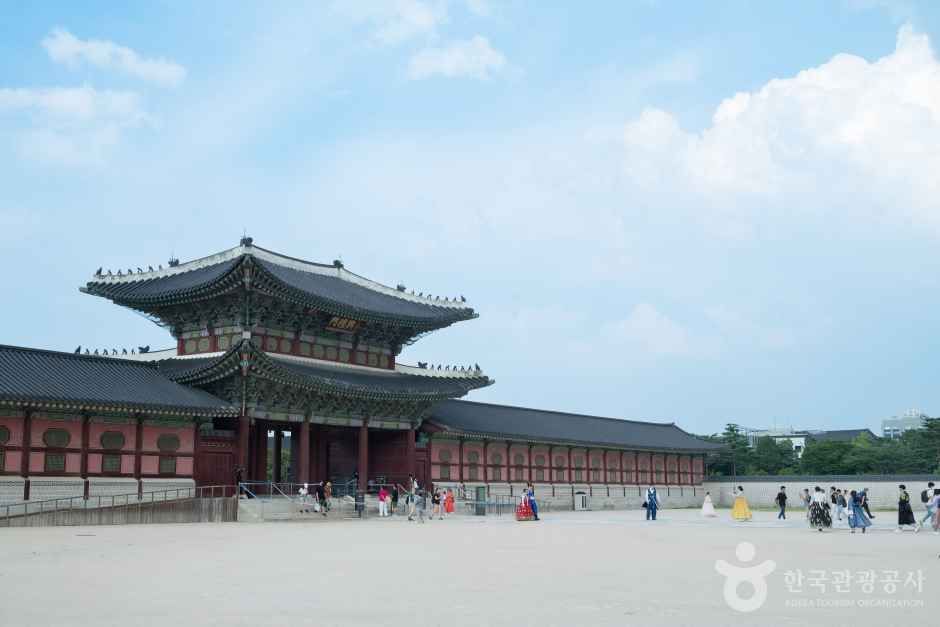
Gyeongbokgung and Changdeokgung ₩3,000 each, Deoksugung and Changgyeonggung ₩1,000, Jongmyo ₩1,000. The combined ticket for all of them is ₩10,000 and lasts three months. Entry is free in hanbok (rental ₩15,000–30,000 for a few hours, which is its own outing) and free for everyone on the last Wednesday of the month.
Museums
The National Museum of Korea, the National Folk Museum and the War Memorial are free; most national and municipal museums are free or ₩2,000–5,000. The private art museums charge ₩15,000–25,000 for their big shows.
Mountains and rivers
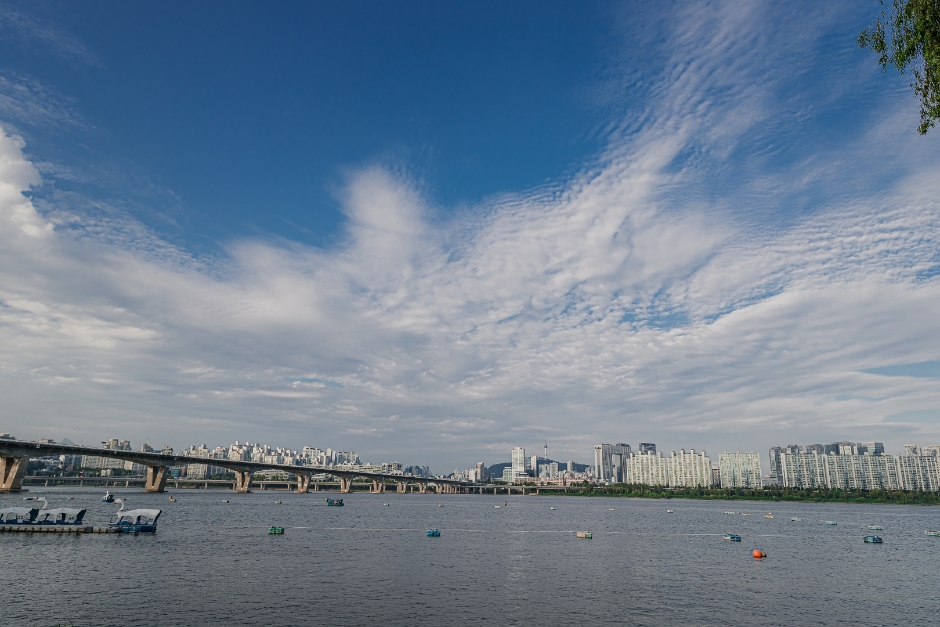
Every national park in the country is free to enter, including Bukhansan inside Seoul, and the Han River parks are free all night. The whole temple-admission system was abolished in 2023 — see the Gyeongju guide for what that did to a city that used to live on tickets.
Festivals
Almost every festival on this site is free to enter. Fireworks, lanterns, cherry blossom, ice fishing (a small fee), the palace night openings (a few thousand won) — the events calendar is the cheapest itinerary you can build.
The expensive ones
Theme parks (₩60,000–70,000 gate price, less online), observation decks (₩25,000–30,000), the aquariums, DMZ tours (₩50,000–90,000). These are where a day’s budget goes, so pick one, not three.
T-money card — buy it. ₩3,000–5,000, top up in cash at any convenience store, works on every bus, subway and most taxis nationwide.
Climate Card (Seoul) — buy it if you move a lot. Four or more rides a day for several days, and it wins. A two-day visit spent walking, it does not.
Discover Seoul Pass and the attraction bundles — usually not. They pay only if you do two or three paid attractions a day, which is a more expensive day than most people want in Seoul. Do the maths against the gate prices above.
Korail Pass — only for a real rail itinerary. Seoul to Busan and back alone is cheaper on ordinary tickets; Seoul–Gyeongju–Busan–Jeonju–Seoul is where the pass starts to win.
An eSIM before you land — yes. A week of unlimited data is ₩10,000–20,000 bought online and several times that at the airport counters.
Money itself
Foreign cards work almost everywhere, including market stalls and taxis, so carry only a little cash — for T-money top-ups and the occasional old restaurant. ATMs marked “Global” take foreign cards; the ones in convenience stores charge a few thousand won a withdrawal. Shops refund the 10% VAT on purchases over ₩15,000 on the spot when you show a passport, which makes pharmacy and cosmetics shopping cheaper than the ticket price. And again: there is no tipping anywhere, and nobody is expecting it.
Prices are 2026 figures rounded to typical ranges: Seoul transit fares as set in 2025, palace admissions as published by the Royal Palaces and Tombs Centre, train and bus fares as published by Korail and the express-bus operators. Everything else is what things cost in the shops and restaurants in September 2026, and will drift. Photographs: Korea Tourism Organization.
![Jeonju Hanok Village [Slow City] (전북 전주 한옥마을 [슬로시티])](https://tong.visitkorea.or.kr/cms/resource_photo/67/3516667_image2_1.jpg)