Eating in Korea: what to order and how it works
Food is one of the best reasons to come to Korea, and one of the most confusing parts of the first few days. Restaurants tend to do one thing, menus are often only in Korean, and there are small rules nobody explains. Here is what to order and how to order it.
How a Korean restaurant works
- Side dishes are free and refilled if you ask. Water is usually free too, often self-service from a fridge or dispenser.
- Press the bell on the table to call staff, or call out “jeogiyo” (excuse me). Nobody will come otherwise.
- Pay at the counter on your way out. There is no tipping.
- Barbecue and hot-pot places usually sell by the portion with a minimum of two. Eating alone, pick dishes that come as one bowl.
- Kiosks are common and often Korean-only. Point your phone’s translate camera at the screen.
What to order
| Korean barbecue | Samgyeopsal (pork belly) is the everyday one; galbi is marinated short rib. You grill it at the table, staff cut it with scissors, and you wrap it in lettuce with garlic and ssamjang paste. Expect about ₩16,000–20,000 per portion in Seoul. |
|---|---|
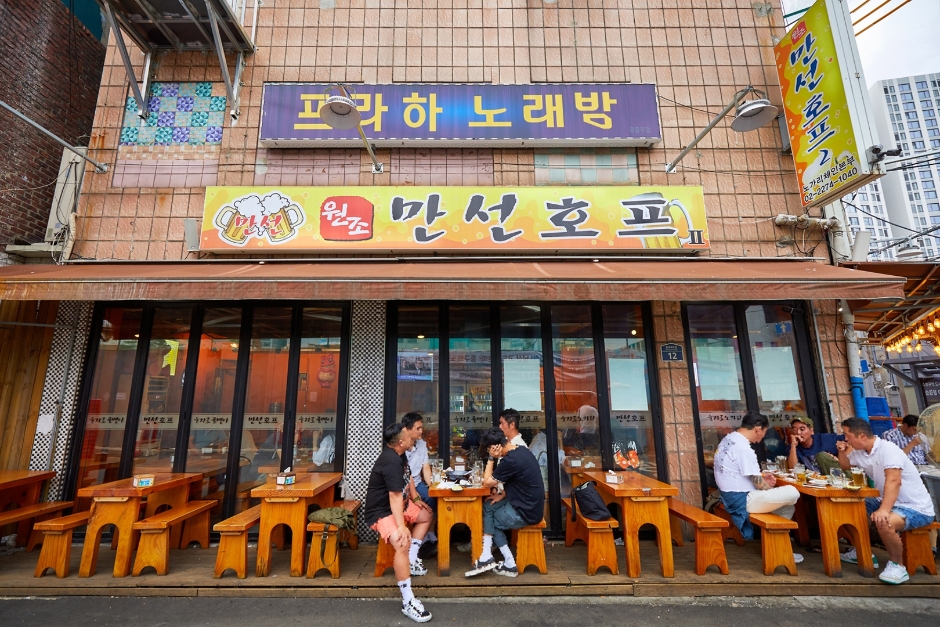
| Fried chicken and beer | Chimaek: crisp fried chicken, plain or in a sweet-spicy glaze, with draught beer. A whole chicken is roughly ₩20,000–25,000 and feeds two. The classic evening in Korea, especially at a baseball game or by the Han River. |
| Stews and soups | Kimchi jjigae and sundubu (soft tofu stew) are the reliable solo lunch, bubbling in a stone pot with rice, around ₩9,000–11,000. Dak hanmari is a whole chicken simmered at the table for sharing. |
| Rice and noodles | Bibimbap, rice with vegetables and chilli paste, best in a hot stone bowl. Naengmyeon, cold buckwheat noodles, in summer. Jajangmyeon, black-bean noodles, the Korean-Chinese comfort food. |
| Street and market food | Tteokbokki (chewy rice cakes in red sauce), kimbap (rice rolls), bindaetteok (mung-bean pancakes), hotteok (sweet filled pancakes, in winter) and fish cake on a stick with its broth. |
| Drinks | Soju is the national drink, about ₩5,000–6,000 a bottle in a restaurant. Makgeolli, cloudy rice wine, goes with pancakes, and Koreans drink it on rainy days. Pour for others, never for yourself. |
| Dessert | Bingsu, shaved milk ice with toppings, is the summer treat, and Korea’s café culture is extraordinary. A coffee often costs as much as lunch. |
Where to start in Seoul
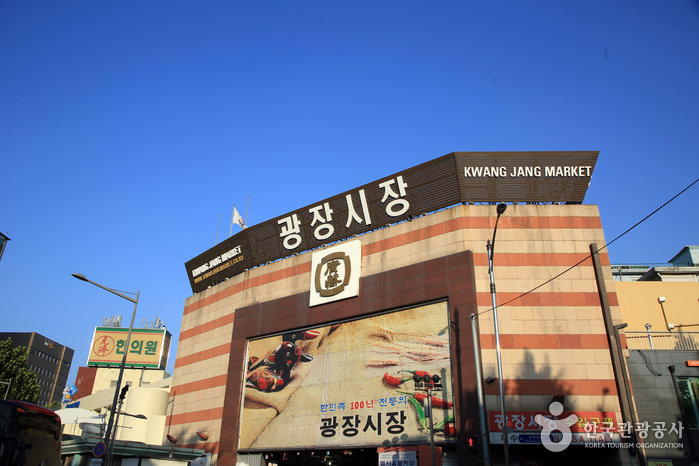
| Gwangjang Market | The famous one, in Jongno. Sit at a stall for bindaetteok fried in front of you, mayak (“addictive”) mini kimbap and yukhoe, Korean beef tartare. The food alley stays open when the fabric shops close on Sundays. |
|---|---|
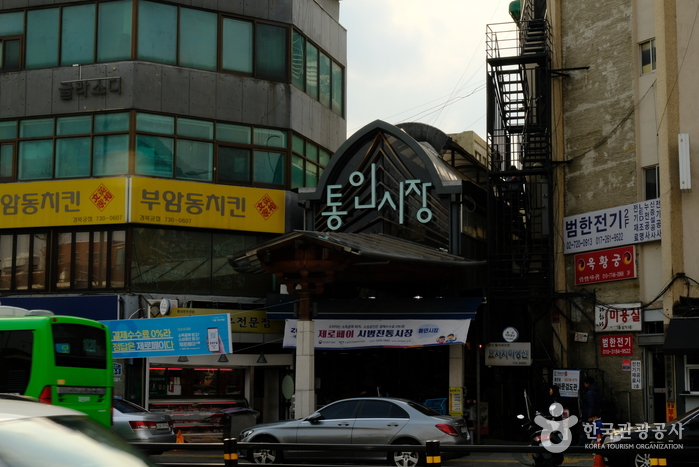
| Tongin Market | Near Gyeongbokgung. Buy brass coins and use them to fill a lunch tray from the stalls, the “coin dosirak”. A good lunch after the palace. |
| Mangwon Market | Near Hongdae and cheaper, where locals shop: fried chicken, croquettes and tteokbokki, then a walk to the Han River park. |
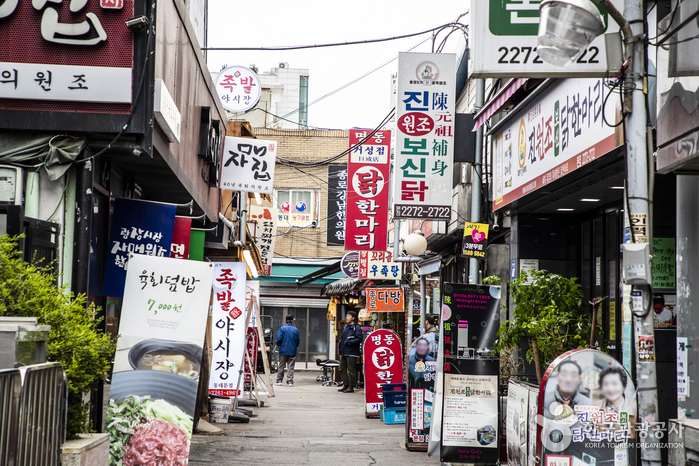
| Dak Hanmari Alley | By Dongdaemun, a lane of restaurants serving whole chicken in broth at the table, finished with noodles. |
| Euljiro and Jongno 3-ga | Plastic stools on the pavement after dark: dried pollack and beer in Nogari Alley, and the pojangmacha tent bars by Jongno 3-ga. |
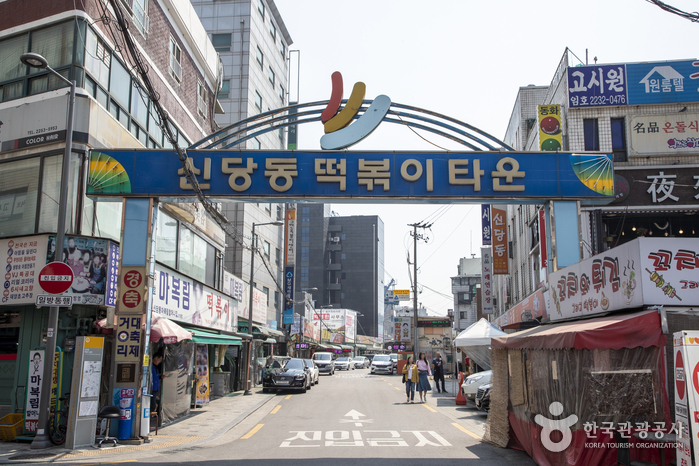
| Sindang-dong | Tteokbokki Town, where the rice cakes are cooked in a pan at your table with ramen, egg and cheese. |

Vegetarian, vegan and allergies
- Vegetarian is harder than it looks. Kimchi usually contains fish sauce or salted shrimp, and most soups start from anchovy or beef stock. “Gogi ppaego juseyo” means “without meat, please”, but it will not remove the stock.
- Temple food is fully plant-based and there are temple-food restaurants in Insadong and Jogyesa.
- Halal restaurants cluster around the Seoul Central Mosque in Itaewon.
- For allergies, carry a card written in Korean. Peanut, sesame and shellfish turn up in unexpected places.
Practical notes
- Convenience stores are a real meal option: triangle kimbap, instant ramen cooked at the in-store water machine, and banana milk, for a few thousand won.
- Delivery apps need a Korean phone number and payment card. Hotel front desks will often order for you.
- Lunch sets between about 11:30 and 14:00 are the cheapest way to eat well. Many small restaurants close between lunch and dinner.
- For what food costs across a whole trip, see Korea on a budget.
Seoul’s marketsWhat to eat in BusanSeoul after dark3 days in SeoulShopping in SeoulWhere to eatTraditional markets