Seoul’s traditional markets: what to eat at each
Seoul’s covered markets are where the city eats cheaply and well, and each is known for something different. You sit at a stall counter, point, and the food is made in front of you. These are the ones worth crossing the city for.

How to eat at a market
- Sit where there is space at a stall counter, and point at what you want; many stalls have picture menus.
- Bring cash for the smallest stalls, though most now take cards.
- Many market shops close one day a week, often Sunday; the food stalls usually stay open.
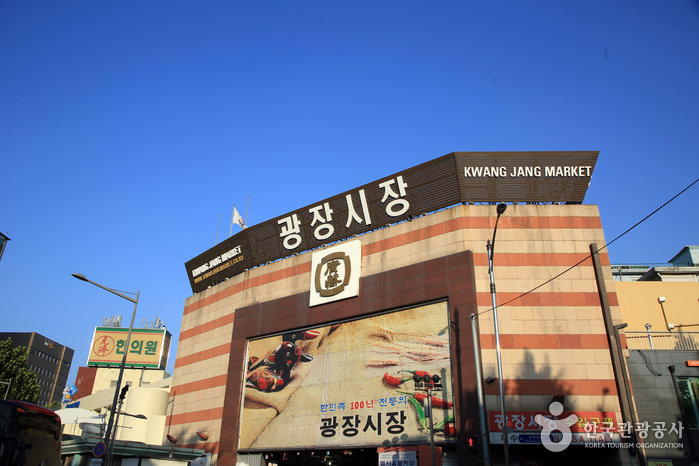
| Gwangjang Market | The famous one: bindaetteok mung-bean pancakes fried in front of you, mayak mini kimbap and yukhoe beef tartare, with makgeolli. Busiest in the evening. |
|---|---|
| Namdaemun Market | The biggest and oldest general market, a maze of clothes, kitchenware and ginseng, with an alley of kalguksu noodle stalls and hotteok stands. Mornings are best; many shops close on Sundays. |
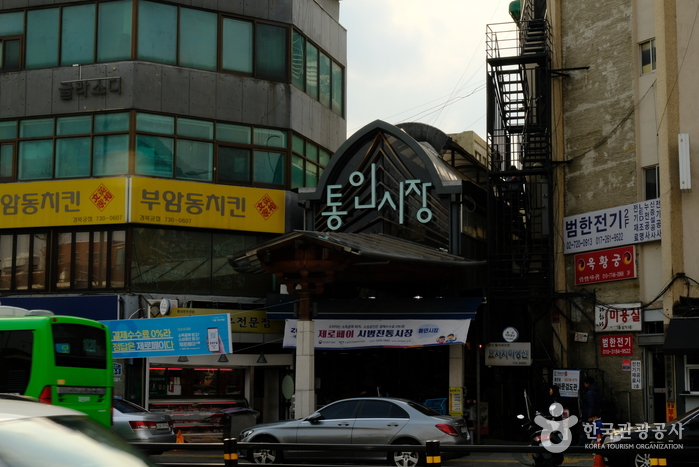
| Tongin Market | The coin lunch box: buy brass coins and fill a tray from the stalls, with oil tteokbokki as the local speciality. Right after the palace. |
| Mangwon Market | Where locals shop: cheap fried chicken, croquettes and fruit, then a walk to the Han River park at the end of the road. |
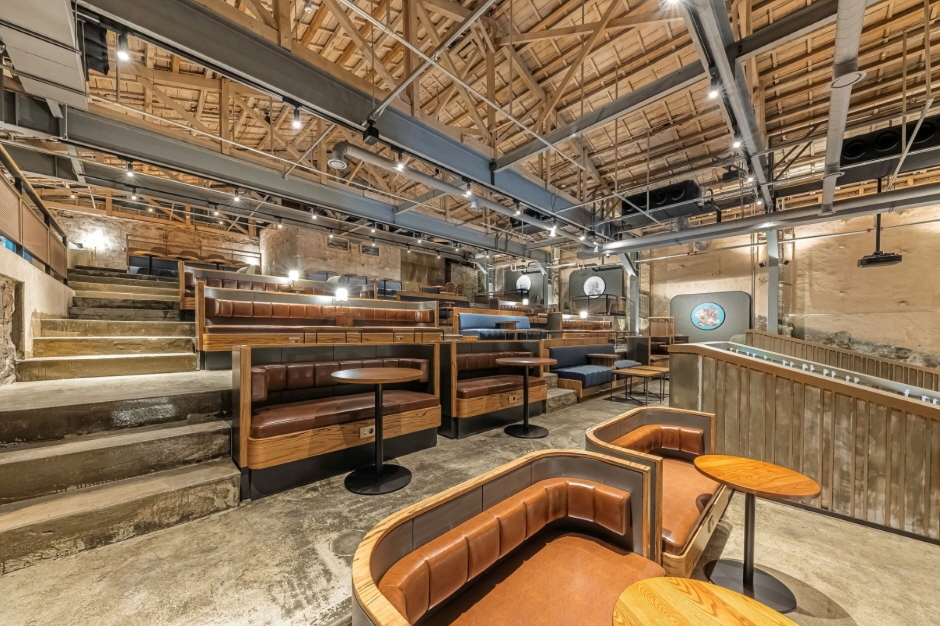
| Gyeongdong Market | The herbal-medicine market, with ginseng, dried roots and a Starbucks in an old cinema. Unlike anywhere else in the city. |
| Noryangjin Fish Market | Choose live seafood downstairs, then have it prepared as raw fish or stew in the restaurants upstairs, paying a small table charge. Best at lunch or dinner. |
Eating in KoreaShopping in SeoulKorea on a budgetAll traditional markets