Seoul after dark: where to go, neighbourhood by neighbourhood
Seoul is a late city. Restaurants serve until midnight, bars until three or four, clubs until the first trains, and a whole layer of the place — convenience-store tables, 24-hour soup kitchens, coin karaoke rooms, bathhouses you can sleep in — exists for the hours in between. The trick is that each neighbourhood does one kind of night well, and the distances between them are real. Pick one, go there, and stay.
- 19 and over, passport in hand. Clubs and many bars check ID at the door and a photo of your passport is not accepted. Korean drinking age is 19 by international count.
- The subway stops around midnight — a little later on Fridays and Saturdays on some lines, earlier on Sundays. After that it is night buses (the N-numbered routes) or taxis, which carry a 20–40% surcharge between 22:00 and 04:00 and are hard to find outside the big districts.
- No tipping, no smoking indoors, and in most bars you are expected to order a plate of something (anju) with the first round.
The neighbourhoods
| Hongdae | The default. Students, indie bands in basement live houses, hip-hop and EDM clubs with ₩10,000–30,000 covers, street performers until late, and food at every price. Around Hongik University Station (Line 2, AREX) and spreading into Yeonnam-dong for quieter bars along the old railway park. The one area where the night genuinely runs until the first train. |
|---|---|
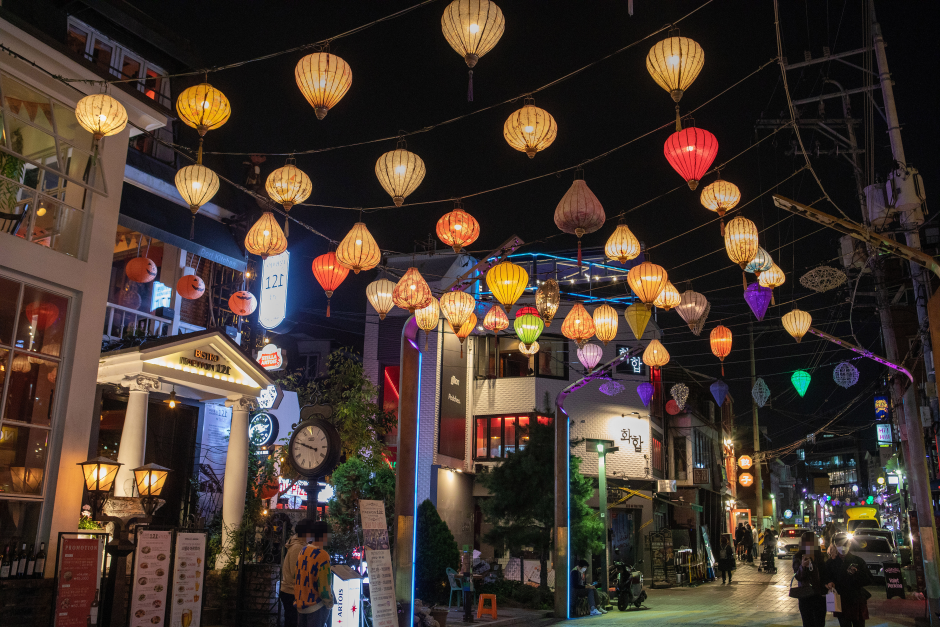
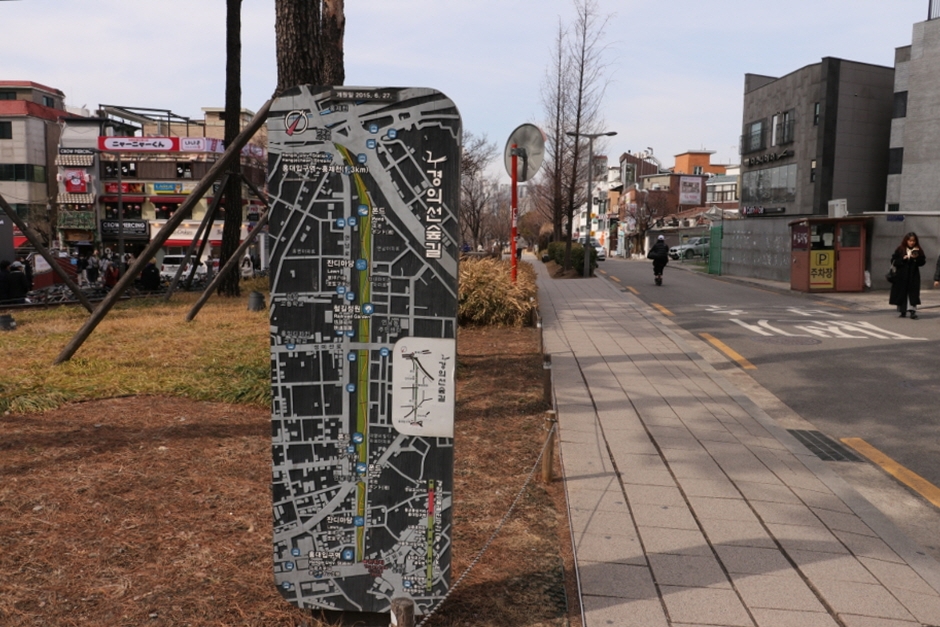
| Itaewon | International Seoul: the bars where the menus are in English by default, a well-established gay strip on the hill behind the station, and craft beer and rooftops in Gyeongnidan and Haebangchon up the slope toward Namsan. Quieter than it was — the district has been careful with crowds since 2022 — and better for it on an ordinary weekend. Itaewon Station, Line 6. |
| Gangnam & Cheongdam | The big clubs — multi-floor, international DJs, dress codes, covers of ₩30,000 and up on weekends and table service in the hundreds of thousands. Cheongdam’s clubs host the touring names (see the concert list for who is playing). Be warned that a few Gangnam doors have turned away visitors on a foreign passport alone; Hongdae and Itaewon do not do this. |
| Seongsu | Converted warehouses and shoe factories east of the river: natural-wine bars, late cafés, and the techno club UNDERCITY, which books the Berlin and Amsterdam circuit. The most current-feeling night in the city, and the one that ends earliest — many places close by one. Seongsu Station, Line 2. |
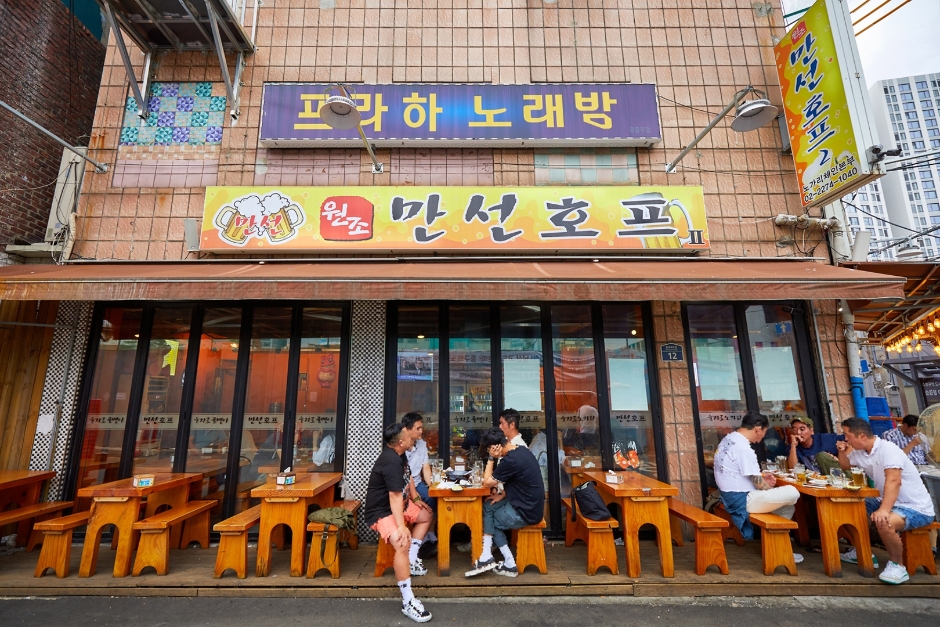
| Euljiro | Old print-shop alleys behind the office towers. Nogari Alley is draught beer and dried pollock on plastic stools across a whole street from early evening; the surrounding blocks hide bars in unmarked upstairs rooms that the city calls “hip-jiro”. Cheap, local, and closes around midnight. Euljiro 3-ga Station, Lines 2 and 3. |
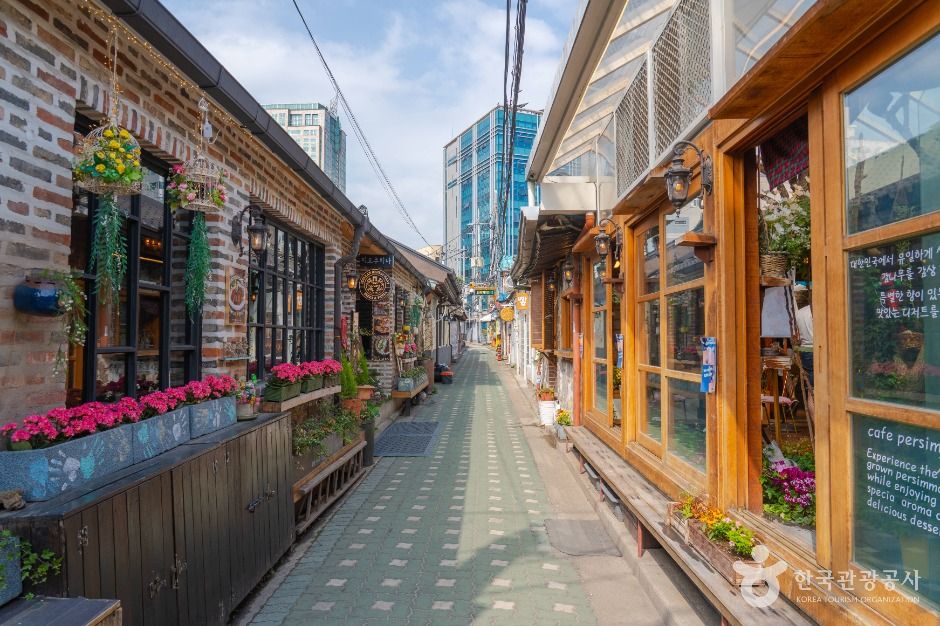
| Ikseon-dong | Hanok alleys turned into cocktail bars, tea houses and tiny restaurants, five minutes from Jongno 3-ga. Beautiful and early — most doors shut by 23:00, which makes it a first stop rather than a last one. |
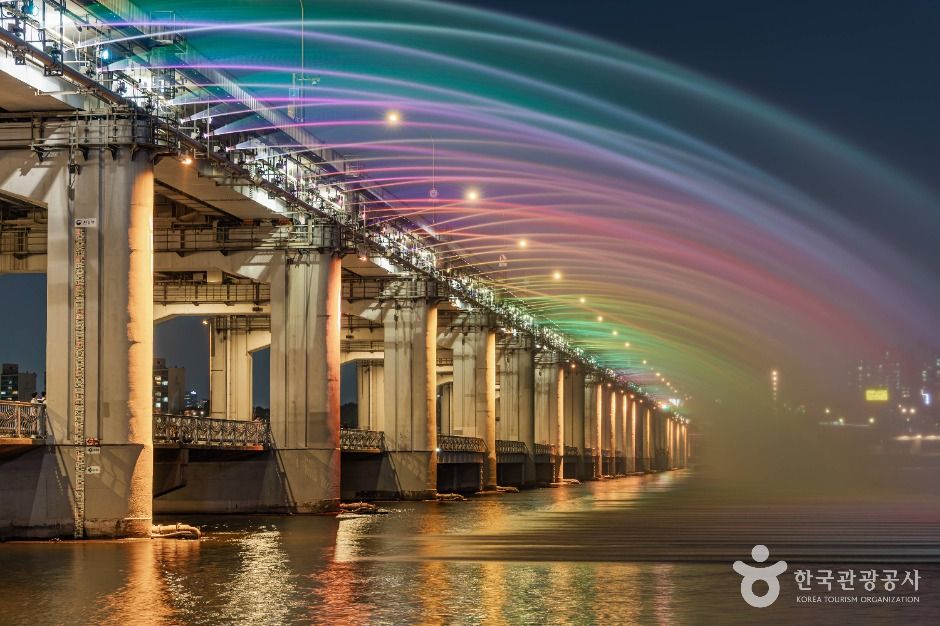
| The river | Seoul’s cheapest and most local night out: a mat on the grass at Yeouido or Banpo Hangang Park, fried chicken delivered to the park gate, ramyeon from the convenience-store machines, and the Banpo Bridge fountain playing coloured water to music on spring and summer evenings. Drinking is allowed in most of the parks; a few zones are now marked alcohol-free, so read the signs. |
| Namsan | Not a party, but the night view everyone wants. The tower and the walking paths stay open late, and the walk down through Haebangchon into Itaewon is the best route into the evening. |

What things cost
| Beer or soju in a restaurant | ₩5,000–9,000 a bottle. Convenience-store prices are a third of that, and drinking at the tables outside is normal. |
|---|---|
| Cocktails | ₩15,000–22,000 in Itaewon and Seongsu; more in Cheongdam hotel bars. |
| Club entry | ₩10,000–30,000 in Hongdae, usually with a drink; ₩30,000–50,000 in Gangnam on weekends; special nights with touring DJs are ticketed separately. |
| Karaoke | Coin noraebang booths from ₩1,000 for a few songs; a private room ₩15,000–30,000 an hour. |
| Taxi across town after midnight | ₩15,000–30,000 with the night surcharge. Use the Kakao T app to hail; if it will not take a foreign card, pay the driver by card in the cab. |
How a Korean night is shaped
Locals move in rounds: il-cha is dinner with drinks, i-cha a bar or a beer place, sam-cha karaoke or a late soup. Nobody stays in one venue for five hours, which is why the streets are as lively as the bars. Joining in is easy — the anju rule means every bar is half a restaurant — and the soup at the end is the secret to the next morning: gukbap or haejangguk places in every district serve it 24 hours.
When the trains have stopped and the taxis are gone, a jjimjilbang, the Korean bathhouse with sleeping halls, costs ₩15,000–25,000 for the night and is a perfectly respectable place to wake up. The larger ones in Yongsan and Gangnam are used exactly this way every weekend.
Getting home, honestly
- Know your last train. The station boards show it; the app Naver Map does too. Plan to be on the platform ten minutes before, because the last train is the one everyone else is also aiming for.
- Night buses run all night on the main roads — the N routes, roughly every 30–40 minutes. Slow but dependable between Hongdae, City Hall, Dongdaemun and Gangnam.
- Or stay in the neighbourhood. Hongdae and Itaewon have hotels at every price within walking distance of the bars; Gangnam’s are a taxi ride from its clubs. Choosing a hotel in the district you plan to go out in removes the whole problem.
Halloween and the big nights
Halloween in Hongdae, the last Friday before Christmas, and New Year’s Eve around Bosingak are the nights the city manages with crowd controls, one-way streets and closed station exits. They are worth seeing and worth reading about first — the Halloween guide and the Christmas and New Year guide cover what changes.
Concerts and club nights3 days in SeoulGwangjang MarketTrip Planner