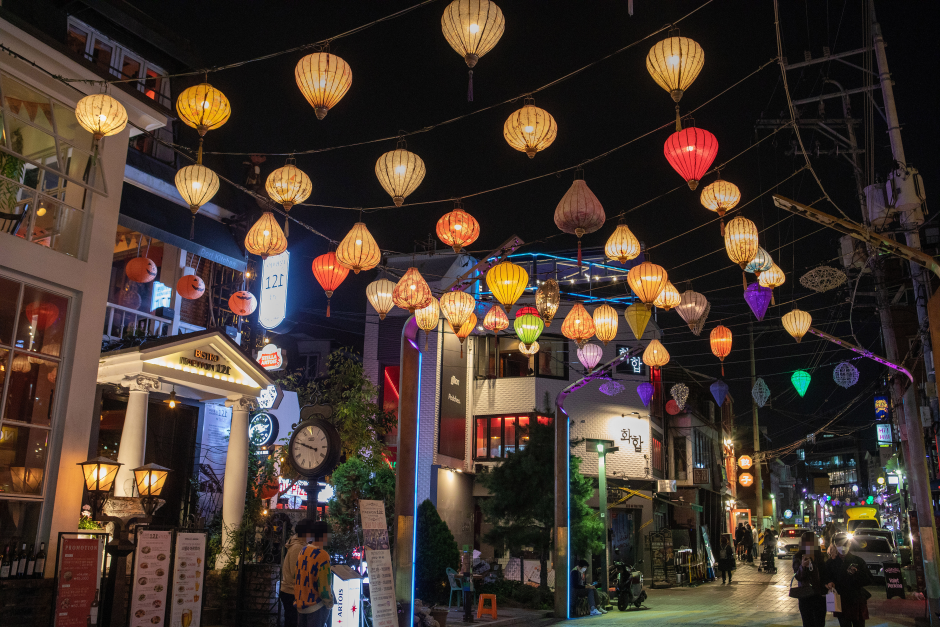
3 days in Seoul, planned around what is actually open
Most three-day Seoul itineraries fall apart on contact with the city, because they ignore two things: the palaces close on different weekdays, and Bukchon Hanok Village now fines visitors who turn up after 5pm. This one is built around those facts — and around distances we measured rather than guessed.

![Changdeokgung Palace Complex [UNESCO World Heritage Site]](https://tong.visitkorea.or.kr/cms/resource/03/3092503_image2_1.jpg)
- Gyeongbokgung and Jongmyo close on Tuesdays.
- Changdeokgung, Changgyeonggung and Deoksugung close on Mondays.
- Bukchon's main alley is off-limits from 17:00 to 10:00 and the fine is ₩100,000. Enforcement began in March 2025 and is still running.
Four things worth knowing first
| Palace ticket | Buy the integrated ticket, ₩6,000 — all four palaces plus Jongmyo, valid six months. Single entry is ₩3,000, so it pays for itself at the second palace. Many English guides still quote ₩10,000 for three months; that version no longer exists. Changdeokgung's Huwon garden is not included. |
|---|---|
| Wear hanbok, enter free | Rental shops cluster around Gyeongbokgung, and a hanbok gets you into all four palaces and Jongmyo free, any nationality. It must be a real set — jeogori top with the ribbons tied, plus skirt or trousers. Jeogori over jeans is refused. |
| Maps | Google Maps cannot give walking or driving directions in Korea — a mapping-data export restriction, not a bug. Download Naver Map before you fly, and KakaoMap plus Kakao T if you plan to take taxis. |
| Transport | A T-money card from any convenience store costs ₩2,500–5,000 empty; load ₩30,000–40,000 for three days. Subway from ₩1,550, buses ₩1,500, transfers free within 30 minutes — but tap off when leaving a bus or you lose the discount. |
The palace quarter, entirely on foot
Everything today sits inside a 1.5 km circle. You will walk between all of it.
Avoid: Tuesday (Gyeongbokgung closed)
 09:30
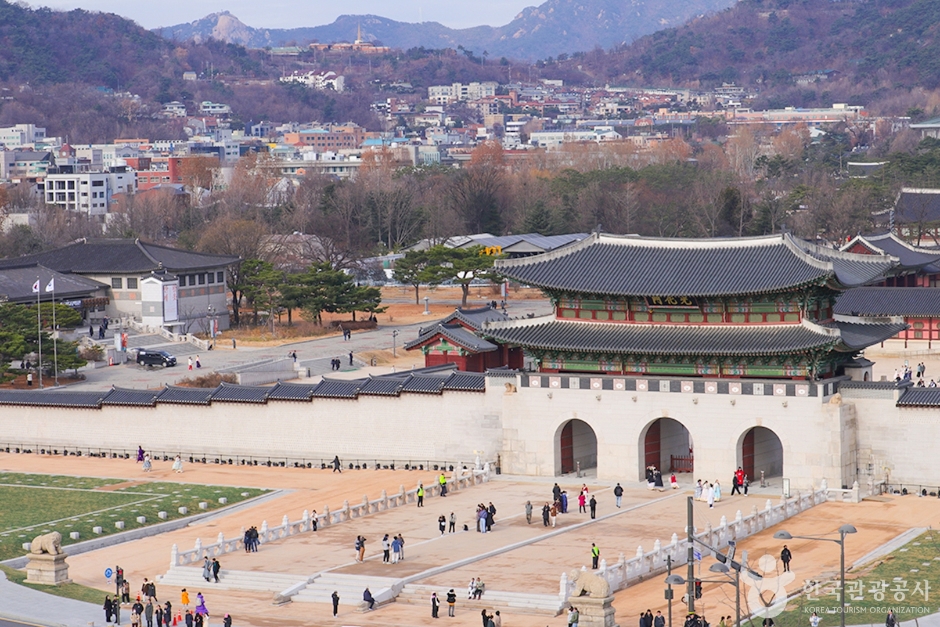
09:30Gwanghwamun Gate
Arrive ahead of the crowd for the Changing of the Royal Guard at 10:00 — 20 minutes, free, outside the ticket gate, repeated at 14:00. It is cancelled in heavy rain, below −10 °C, above 30 °C, and on Tuesdays.
- 10:20
Gyeongbokgung Palace
The largest of the five palaces, founded 1395, burned during the Imjin War and rebuilt in the 1860s. Give it 1.5–2 hours. The National Folk Museum and National Palace Museum are on the grounds and free.
- 12:30900 m walk
Lunch, then Bukchon Hanok Village
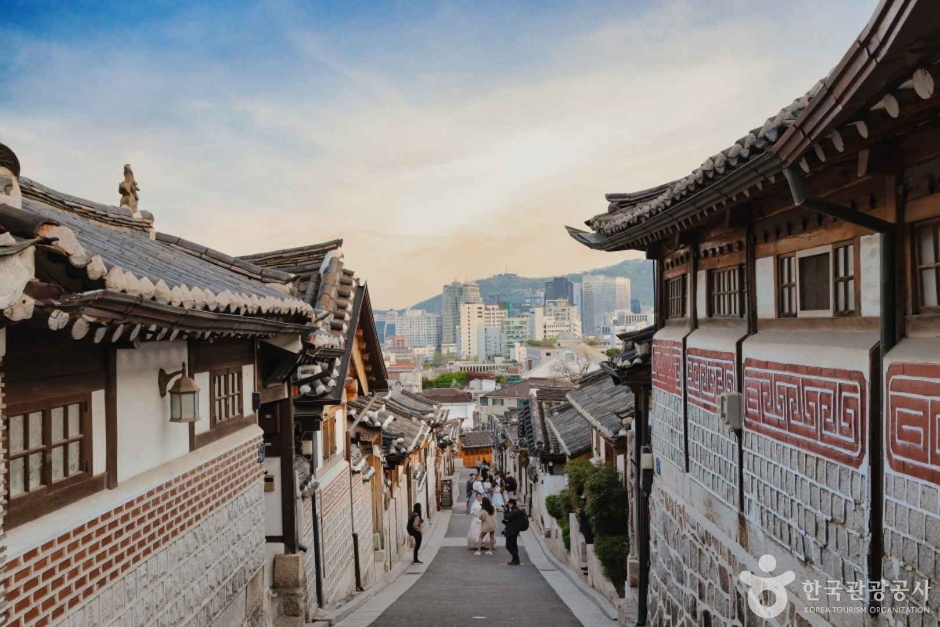
A residential hill of tiled-roof hanok between two palaces — people live here, which is exactly why the curfew exists. Come between 10:00 and 17:00, keep your voice down in the alleys, allow an hour. Only the Bukchon-ro 11-gil alley is restricted; the wider neighbourhood and its cafés are not.
- 14:30400 m walk
Changdeokgung Palace
UNESCO-listed, and the palace Joseon kings actually preferred — it follows the hillside instead of flattening it. The Huwon (Secret Garden) needs a separate ₩5,000 timed ticket: 100 people per session, half online from six days ahead, half on the day from 09:00. Unlike what most English guides say, the guided tour is not compulsory — since 2023 you may walk the route at your own pace. English commentary at 10:30, 11:30, 14:30, 15:30.
 17:00500 m walk
Ikseon-dong, then Insadong
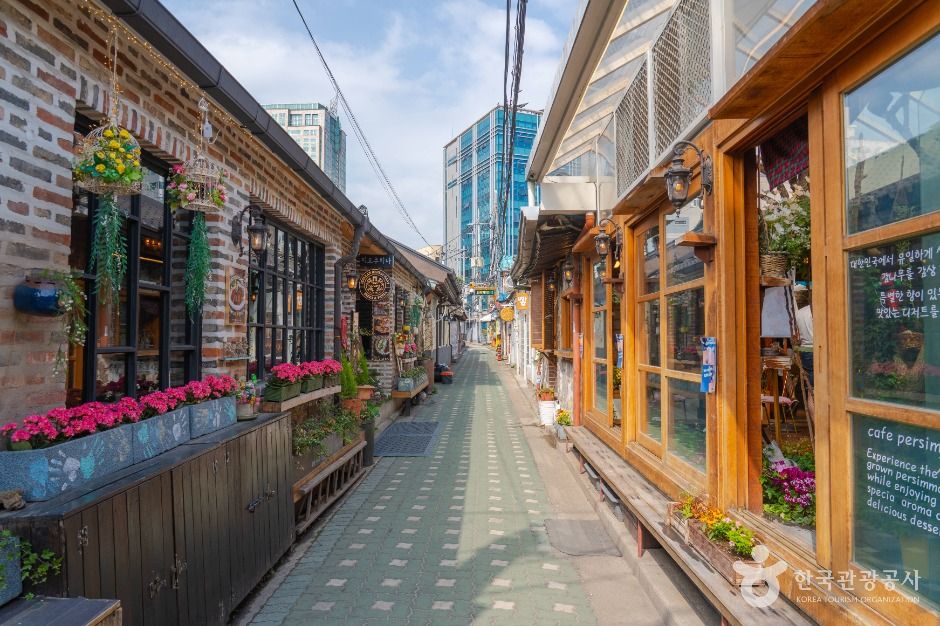
Ikseon-dong is a 1920s hanok district turned into a dense grid of small restaurants and coffee bars. Insadong next door is the traditional crafts and tea street. Both are better in the evening, and both are a few minutes' walk from where the day ends.
The modern city, and the mountain in the middle of it
This one spreads out, so it is a subway day. Nothing here depends on the weekday.
 Morning
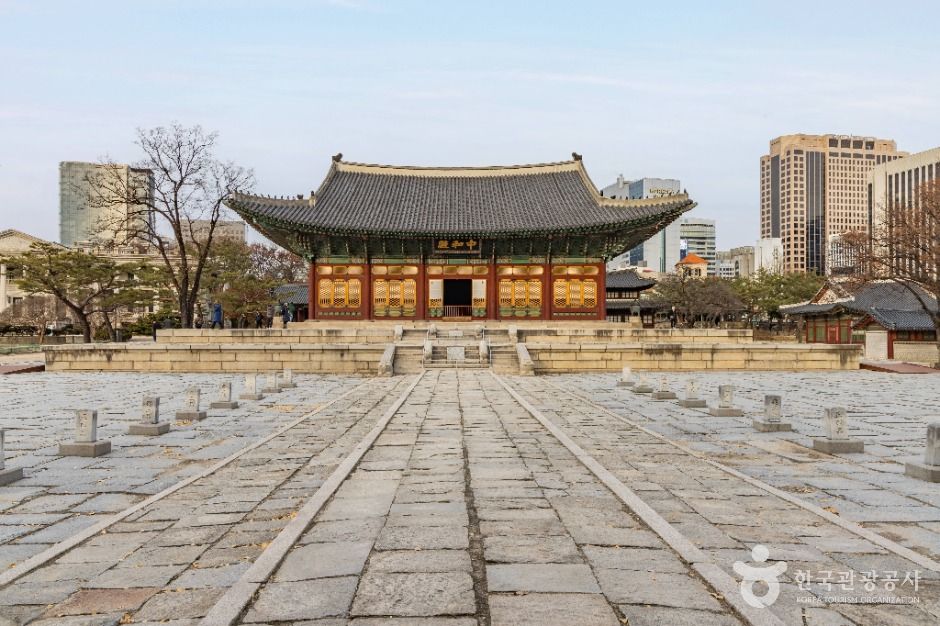
Deoksugung Palace
The smallest palace and the strangest — Joseon halls standing beside Western stone buildings from the 1900s, the decade Korea was trying to modernise its way out of being carved up. ₩1,000, or free on your integrated ticket. Open until 21:00, and free every Wednesday since August 2026.
 Midday700 m walk
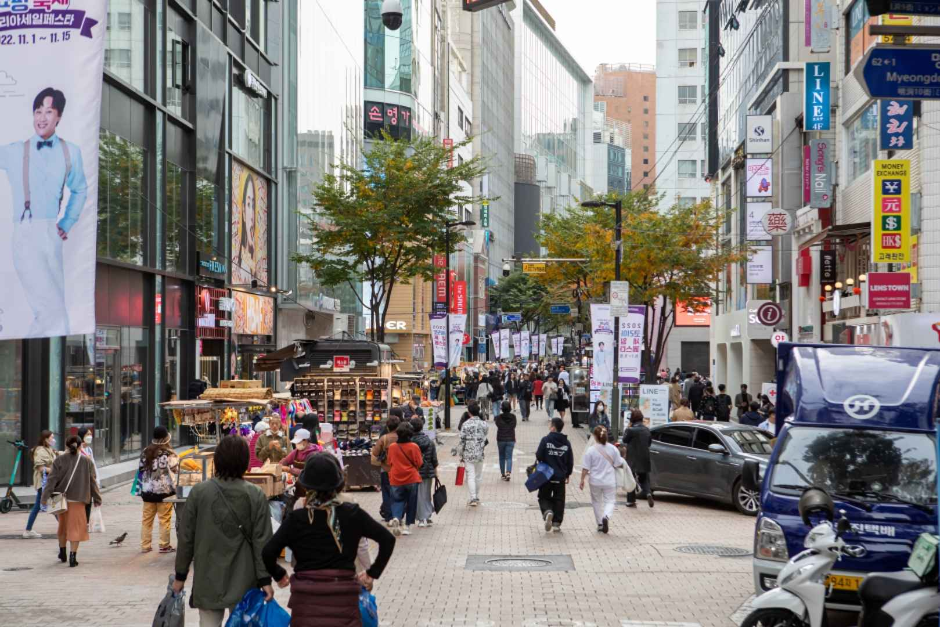
Myeongdong
Cosmetics, street food, and the densest concentration of English-speaking retail in the country. Ninety minutes of walking and eating rather than a destination in itself.
 Afternoon1.2 km, or cable car
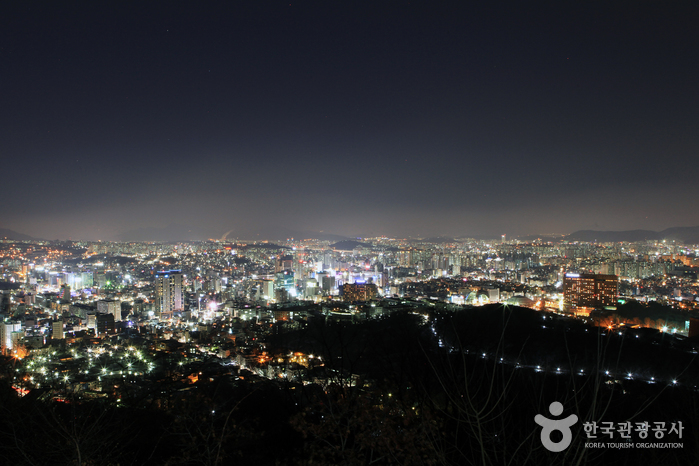
Namsan Park and N Seoul Tower
The mountain in the middle of the city. Walk up through the park or take the cable car — the view is the point, and it is far better an hour before sunset than at noon.
 Evening
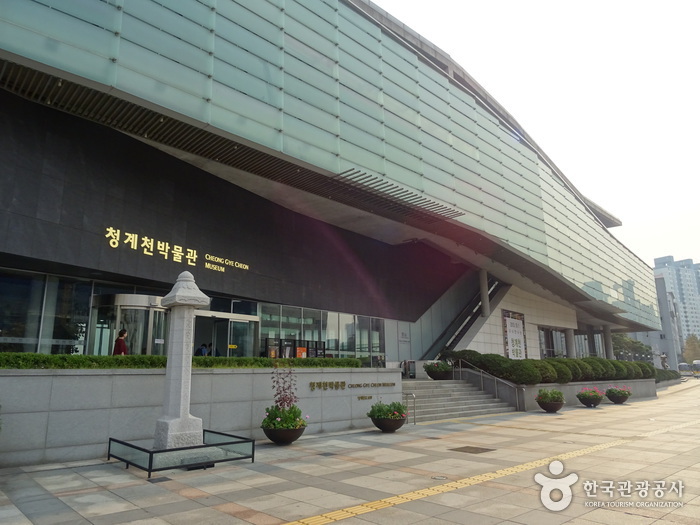
Cheonggyecheon stream walk
A stream that was paved over, built on, and then dug back out in 2005 when the elevated expressway above it was demolished. Walking it after dark — below street level, traffic overhead — is the best free hour in central Seoul.
Pick one direction
By now you know what you like. Three routes that work — each a half-day plus dinner, each in a different part of the city.
Parks and river
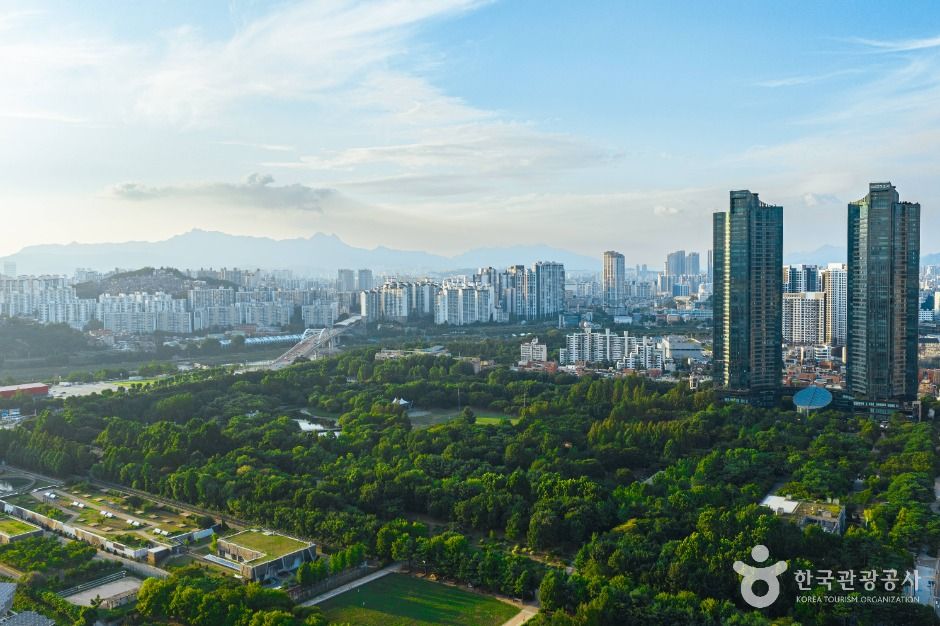
Seoul Forest in the morning, then walk into Seongsu — a former shoe-factory district now full of converted-warehouse cafés — and finish at a Han River park in the evening.

Markets and old streets
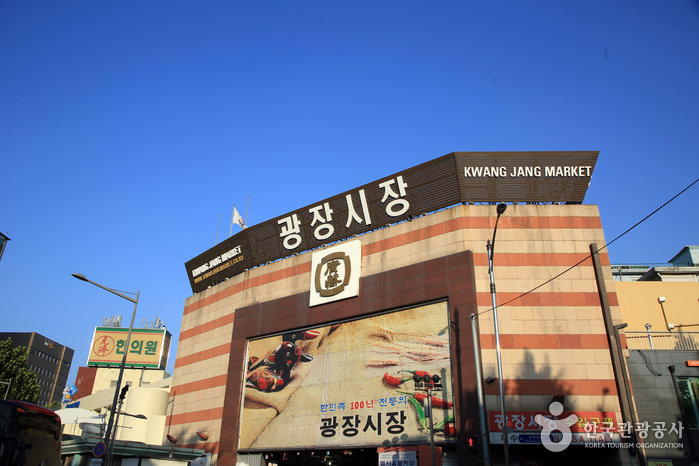
Start at Gwangjang Market — the oldest daily market in the country and the best eating in central Seoul, at its most alive around 11:00 before the queues build. Work west throughDongdaemun's fabric and tool markets, and end in Euljiro's printing alleys, which turn into bars after dark.
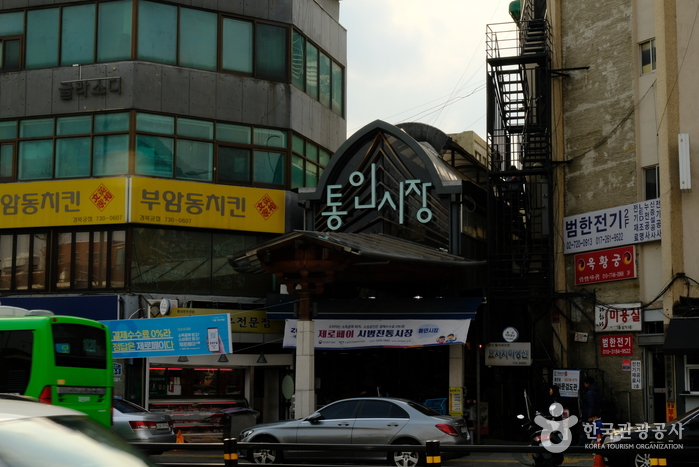
For something smaller, Tongin Marketbeside Gyeongbokgung runs on brass tokens — buy a tray of them at the entrance and spend them stall to stall. It pairs naturally with Day 1.
With children
Lotte World is 12 km southeast and takes a full day — do not try to pair it with anything. Entry is around ₩64,000, the one case where a Discover Seoul Pass may pay for itself.
What this leaves out, deliberately
Three days is not enough for the DMZ, which eats a full day including the drive, or for a day trip to Suwon Hwaseong. Both deserve a longer trip. Shopping is kept light here — if that is your priority, Myeongdong and Dongdaemun can each absorb a day on their own.
Check what is on while you are here
Seoul runs festivals, traditional performances and museum exhibitions year round, and they change weekly. Put your actual dates into the Trip Planner to see what falls inside your trip, or browse everything in Seoul.
Where to stay in Seoul7 days in KoreaEating in KoreaSeoul’s five palacesSeoul: places & eventsPalaces & heritageTraditional performancesTrip Planner