Templestay in Korea: a night in a Buddhist temple
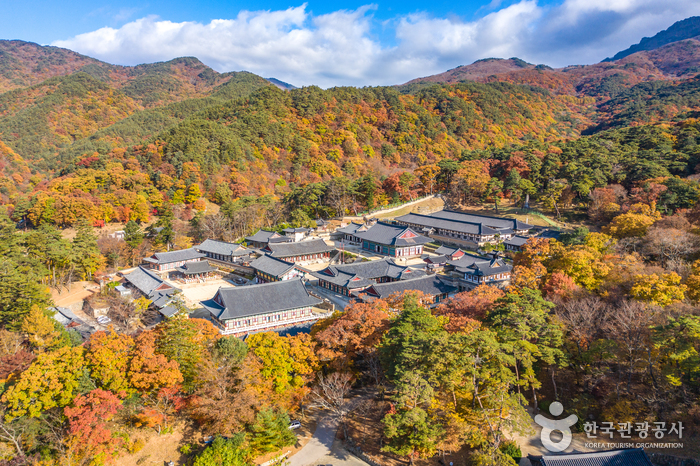
Korea’s mountain temples have taken in overnight guests since the programme opened to the public in 2002, and today more than a hundred temples offer a templestay: a day or a night following the monks’ routine, eating their food and sleeping on the floor of a guest hall. You do not need to be Buddhist, and many of the programmes are run in English.
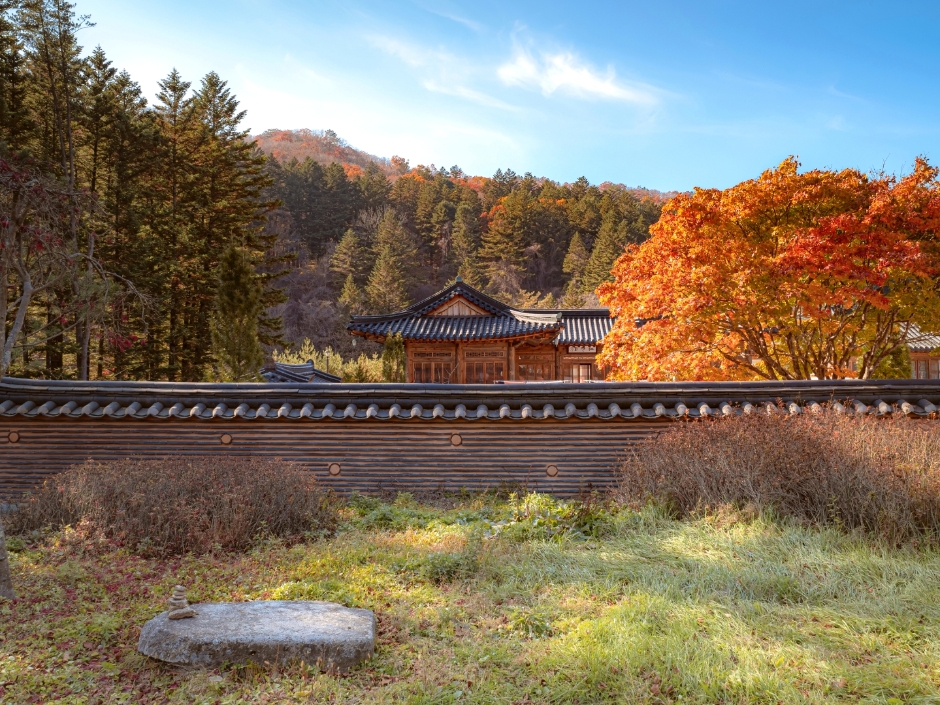
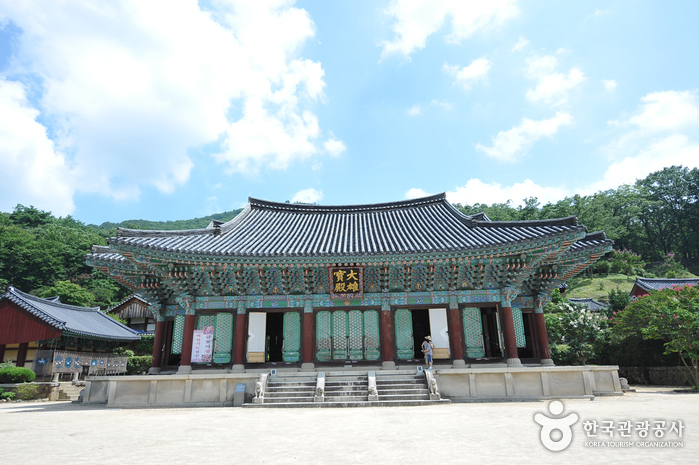
The three kinds
- Day programme: two to three hours of tea with a monk, meditation and a temple tour. Easy from Seoul; no overnight stay.
- Experience stay: one night on a fixed schedule with the evening and dawn services, 108 bows and the formal monastic meal. The one most people mean.
- Rest stay: one night or more with only meals fixed, for quiet and hiking. Better for a second visit.
A typical overnight
| 14:00–15:00 | Arrive and change into the loose temple clothes provided; an orientation on bowing and how to move around the temple. |
|---|---|
| 17:30 | An early vegetarian dinner, eaten in silence. |
| 18:30 | The evening service, with the great drum and temple bell rung at dusk. |
| 19:30 | Tea with a monk, or seated meditation; 108 bows, sometimes while threading a string of prayer beads. |
| 21:00 | Lights out, on thin mattresses on a heated floor, usually in shared rooms by sex. |
| 03:00–04:00 | The dawn service. It is optional at some temples, and the reason most people remember the stay. |
| 06:00 | Balwoo gongyang, the formal monastic meal with four bowls, where you eat everything and rinse the bowls with water and a slice of pickled radish. Walking meditation or community work, then departure around 11:00. |
Which temple
| In Seoul | Jogyesa, the head temple in the centre, and Bongeunsa, opposite COEX in Gangnam, run short day programmes that fit around sightseeing, and are the easiest way to try it. |
|---|---|
| Haeinsa | In the Gayasan mountains near Daegu, home of the Tripitaka Koreana, the 80,000 carved woodblocks of the Buddhist canon and a UNESCO site. One of the three “jewel” temples. |
| Woljeongsa | In Odaesan National Park in Gangwon, reached through a forest of old fir trees. Pairs naturally with the autumn colour or a winter trip to Pyeongchang. |
| Songgwangsa | In the far south-west near Suncheon, the monastic training temple of the Jogye Order and one of the most serious and beautiful stays. |
| Golgulsa | Near Gyeongju, known for seonmudo, a Buddhist martial art, which guests practise. See the Gyeongju guide. |
![Tongdosa Temple [UNESCO World Heritage] (통도사[유네스코세계문화유산])](https://tong.visitkorea.or.kr/cms/resource/83/1229083_image2_1.jpg)
Tongdosa Temple [UNESCO World Heritage]
![Buseoksa Temple [UNESCO World Heritage] (부석사[유네스코 세계문화유산])](https://tong.visitkorea.or.kr/cms/resource/22/2654222_image2_1.jpg)
Buseoksa Temple [UNESCO World Heritage]
![Boeun Beopjusa Temple [UNESCO World Heritage] (보은 법주사 [유네스코 세계문화유산])](https://tong.visitkorea.or.kr/cms/resource/58/1731558_image2_1.jpg)
Boeun Beopjusa Temple [UNESCO World Heritage]
Booking and practical notes
- Book through the official templestay website run by the Cultural Corps of Korean Buddhism, which has an English version and lists which temples run English programmes. Weekends fill up in spring and autumn.
- Cost: an overnight is usually around ₩60,000–100,000 including meals and the clothes; day programmes cost much less.
- Bring toiletries, a towel, warm socks and a layer for the dawn service. Mountain temples are cold at night even in autumn.
- No alcohol, no meat, and quiet after lights out. Couples sleep in separate rooms.
- Mountain temples are often an hour or more by bus from the nearest town; check the last bus before you set off.
Seoul’s five palaces2 days in GyeongjuAutumn foliageAll temples