Korea's autumn colour in 2026, and why ‘late October’ is the wrong answer
Korean autumn runs on a schedule you can actually plan around: the colour front lands on the northeast mountains first and moves south at roughly 20–25 km a day, reaching Seoul and the southern parks weeks later. 2026 is running late — a warm September and October pushed every window back, so the advice you will read on most sites is out by a week or more.

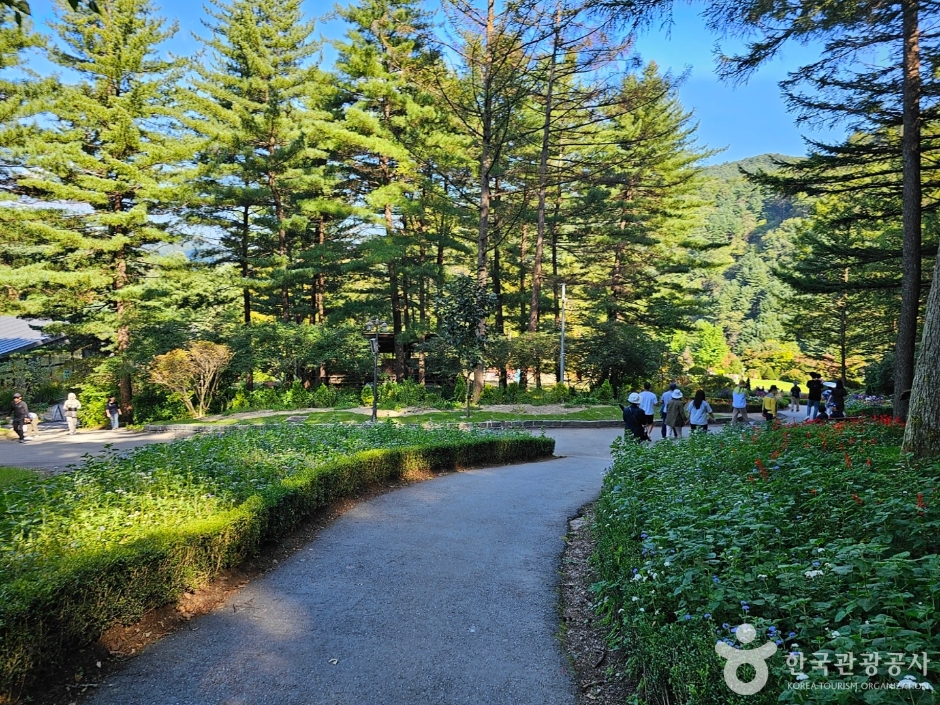
- First foliage (cheot danpung) is declared when about 20% of a mountain's canopy has turned. It looks patchy in photos.
- Peak (danpung jeoljeong) is about 80%, and lands roughly two weeks after first foliage. This is the one to book around.
The 2026 window, north to south
| Seoraksan · Odaesan | First colour around 27–30 September, peak 16–25 October. The northeast goes first every year, which is why Seoraksan is the one place worth a dedicated trip rather than a detour. |
|---|---|
| The centre | Peak 31 October – 5 November. Nami Island, the Garden of Morning Calm and the Gyeonggi mountains sit in this band. |
| Seoul | Peak 5–15 November. City trees run later than the mountains — the ginkgo avenues and palace grounds are usually at their best when Seoraksan is already bare. |
| Jirisan · the south | Peak 5–13 November, with Naejangsan's maples at their strongest across the first two weekends of November. |
The practical consequence: a single trip cannot catch both ends. If you have one week, mid-to-late October gets you the mountains, and the second week of November gets you Seoul and the southern parks. Pick one.
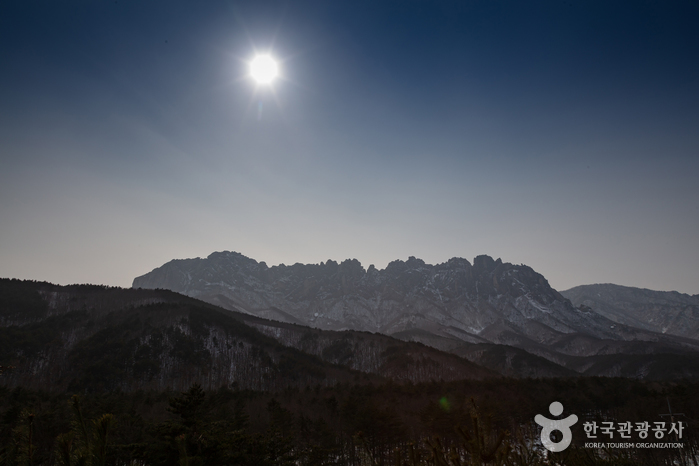
Seoraksan — the one worth the journey
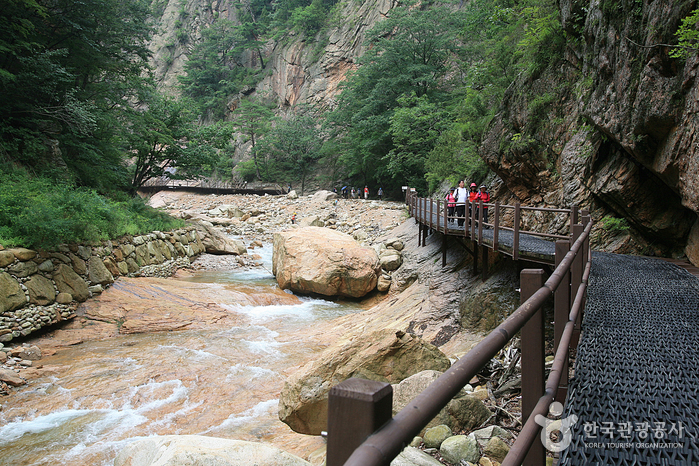
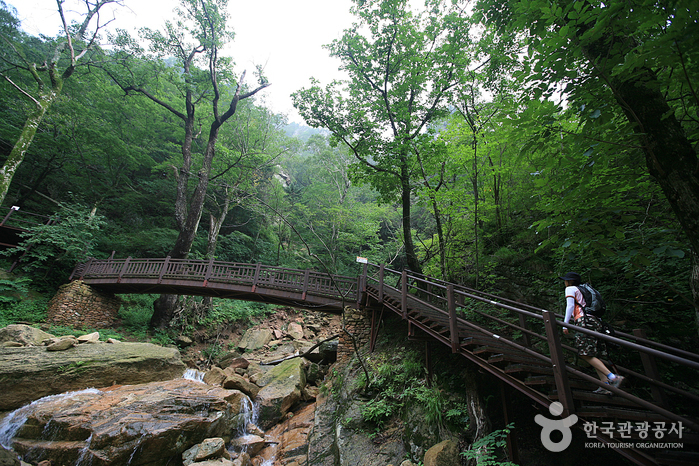
Granite spires with colour running up the gullies, about 2.5 hours from Seoul by express bus to Sokcho. Ulsanbawi Rock is the classic hard walk; Gwongeumseong is the cable-car ridge for everyone else.
The centre — day trips from Seoul
Nami Island is the famous one, and its metasequoia avenue is genuinely worth it — but it is also the most crowded place on this page. Admission already includes the return ferry, so there is nothing to buy on the way back. Tour groups land between 09:00 and 10:00; the first ferry beats them, and the far end of the tree avenue is quiet even when the entrance is not. Eat at the dakgalbi and makguksu places clustered around the mainland ferry terminal rather than on the island.
The Garden of Morning Calm pairs with Nami on the same route and stays open after dark in autumn for its lighting season, which is a different photograph entirely.

Seoul, in the second week of November
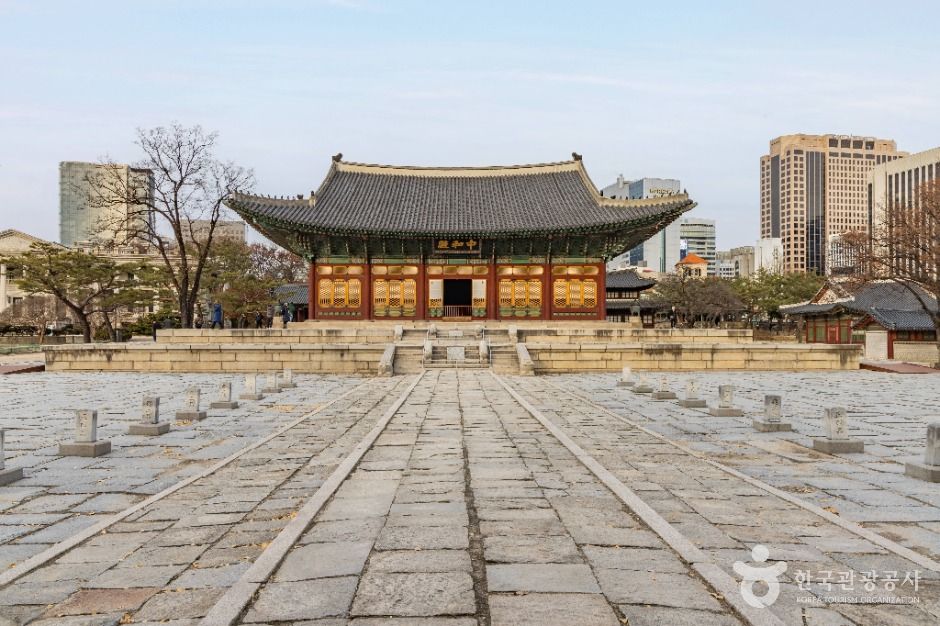
You do not need to leave the city. The palace grounds are the easiest colour in Korea to reach — Changdeokgung and its Huwon garden above all, since the garden was laid out to follow the hillside rather than flatten it. Deoksugung has the stone-wall road beside it, and Seoul Forest is the large open option.
![Changdeokgung Palace Complex [UNESCO World Heritage Site] (창덕궁과 후원 [유네스코 세계유산])](https://tong.visitkorea.or.kr/cms/resource/03/3092503_image2_1.jpg)

The south — Naejangsan and the temples
Naejangsan is the maple park, and the approach road under the trees is as much of the point as the ridge. The first two weekends of November are genuinely crowded — full car parks, trail queues, long cable-car waits — so come on a weekday, arrive early, and plan to walk at least one direction rather than queue twice.
Further east, Haeinsa on Gayasan holds the Tripitaka Koreana, and Bulguksa in Gyeongju is at its best with colour behind the stonework. Both are UNESCO sites that happen to sit in the November band.
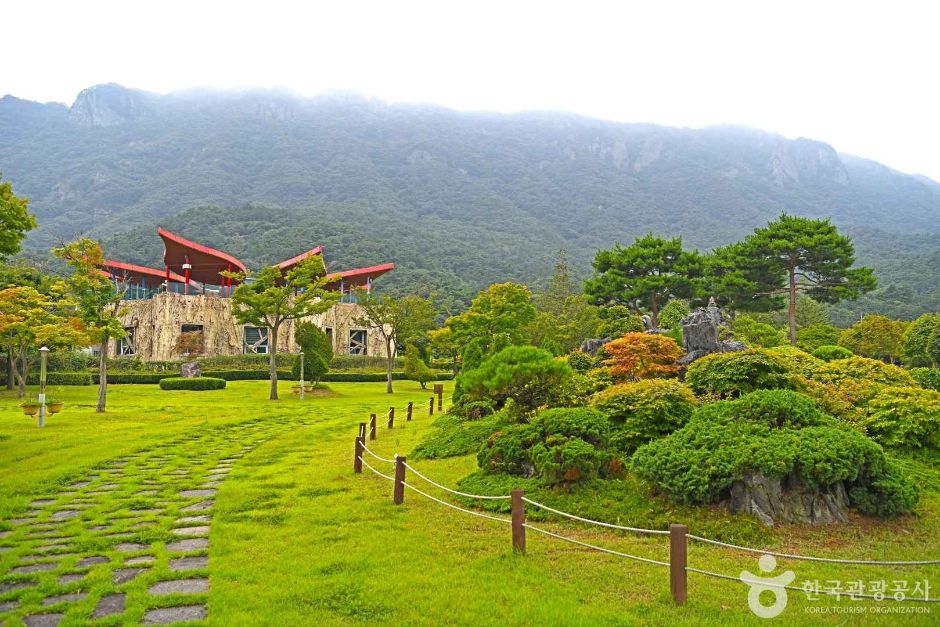
Naejangsan Maple Ecology Park
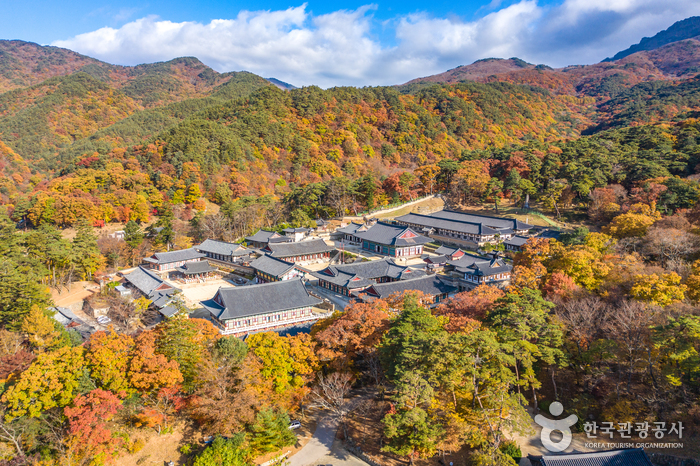
Hapcheon Haeinsa Temple
![Gyeongju Bulguksa Temple [UNESCO World Heritage] (경주 불국사 [유네스코 세계유산])](https://tong.visitkorea.or.kr/cms/resource/03/2678603_image2_1.jpg)
Gyeongju Bulguksa Temple [UNESCO World Heritage]
Going in autumn anyway
Autumn is the densest festival season in the Korean calendar, and most of it has nothing to do with leaves. Put your dates into the Trip Planner to see what falls inside your trip, or browse the October and November pages.
One thing to book early: accommodation near Seoraksan and Naejangsan sells out for the peak weekends months ahead, and it is the single most common way a foliage trip goes wrong. If you are reading this in September, that is the thing to do today.