Seoul café guide
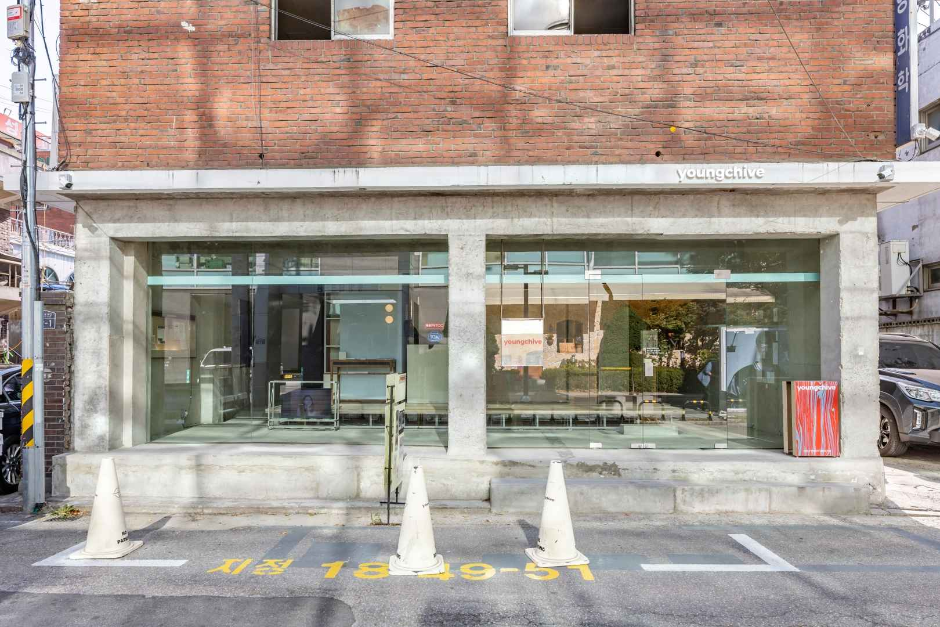
Cafés are where Seoul socialises, studies and works, and the competition between them has made them some of the most striking interiors in the city: converted factories, hanok courtyards, rooftop views and bakeries with queues around the block. A coffee often costs as much as lunch, and nobody minds you staying for hours.
By neighbourhood
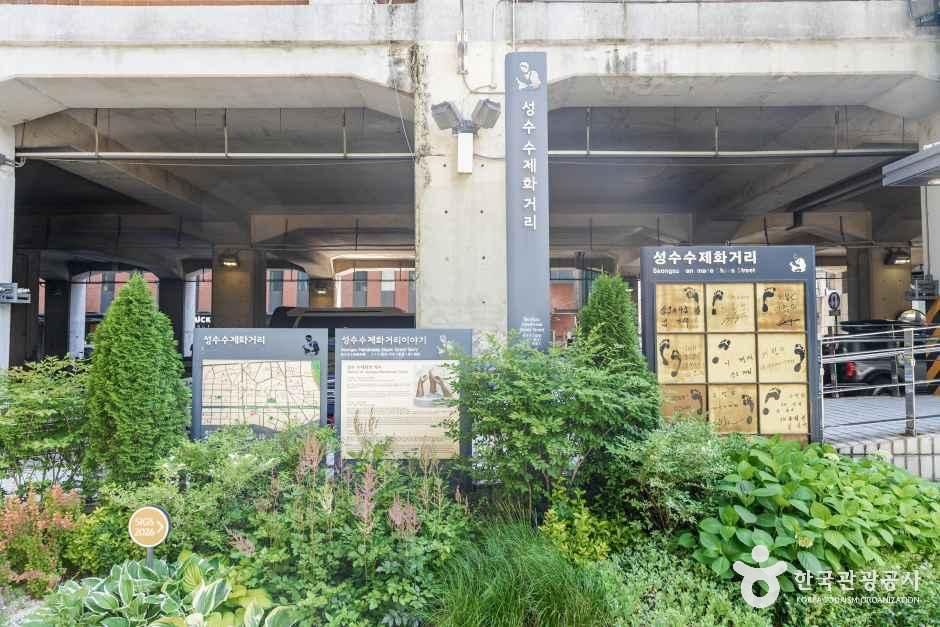
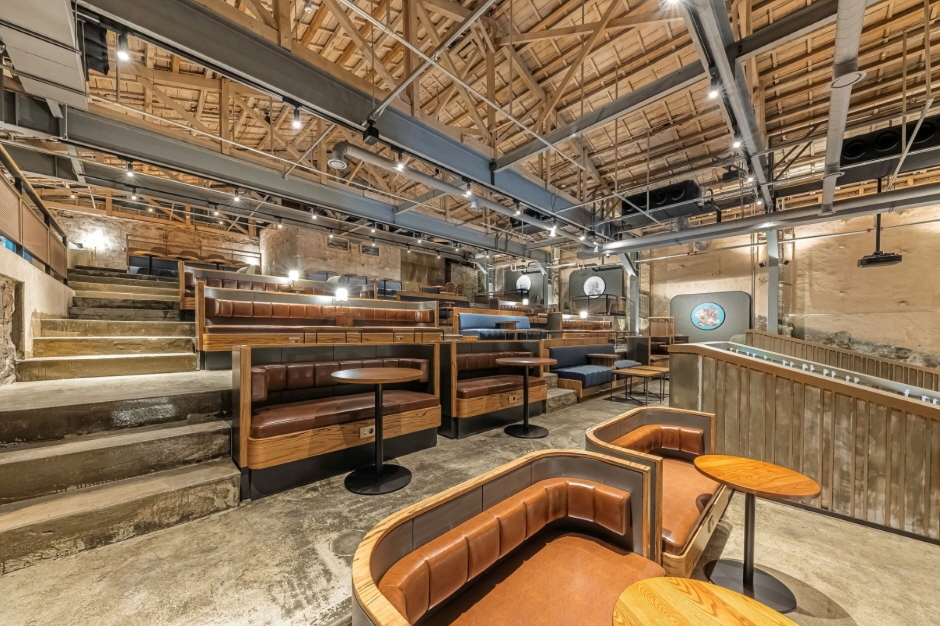
| Seongsu | The warehouse district by the river, full of cafés in former factories and shoe workshops, alongside brand pop-ups. The place to start. |
|---|---|
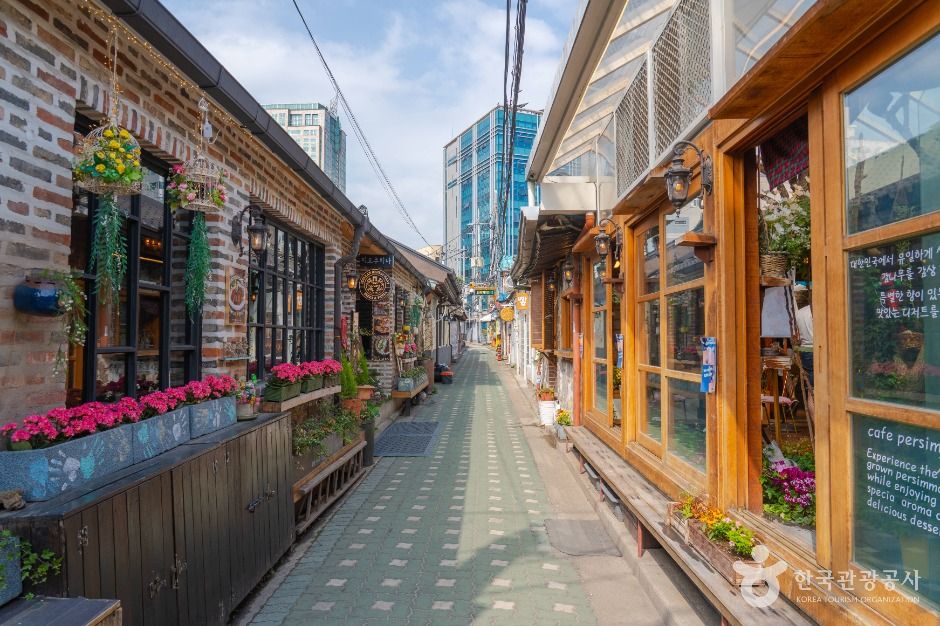
| Ikseon-dong | Tiny hanok lanes near Jongno 3-ga, where cafés and dessert shops fill traditional houses with courtyards and skylights. |
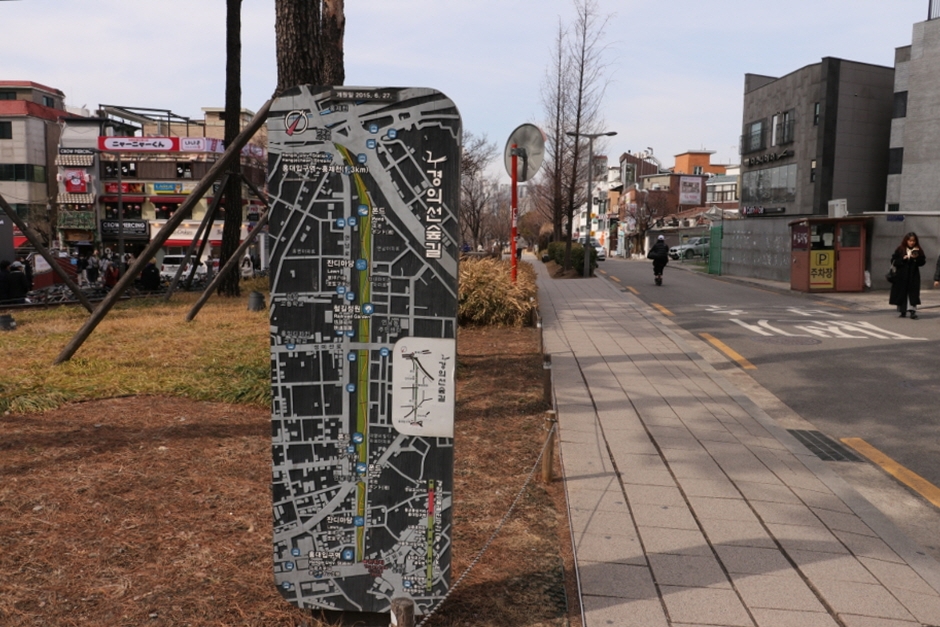
| Yeonnam-dong | Next to Hongdae along the Gyeongui Line Forest Park, a linear park on an old railway, with small independent cafés and bakeries. |
| Hannam-dong | Smart roasters and concept stores on the hill between Itaewon and the river. |
| Bukchon and Samcheong-dong | Cafés with palace views and quiet tea houses between Gyeongbokgung and Changdeokgung. |
How café culture works
- Order and pay at the counter; you get a buzzer that goes off when your drink is ready.
- Most cafés expect one drink per person, and staying for hours is normal.
- In summer, try bingsu: shaved milk ice with fruit, red beans or injeolmi rice cake. In winter, sweet potato and grain lattes.
- Popular bakery cafés sell out of signature items by the afternoon; go in the morning.
- Many cafés open late in the morning, around 11:00, and close late at night.
Eating in KoreaShopping in SeoulRainy day in SeoulGangneung, the coffee town