![Gyeongju Historic Area [UNESCO World Heritage]](https://tong.visitkorea.or.kr/cms/resource/03/2656603_image2_1.jpg)
Gyeongju Historic Area [UNESCO World Heritage]
경주역사유적지구 [유네스코 세계문화유산] · Gyeongbuk · Palaces & heritage
The Gyeongju Historic Area, registered as a UNESCO World Cultural Heritage on November 2000, is an area that embodies the time-honored history and culture of Gyeongju, the ancient capital of the Silla Kingdom (57 BC-AD 935). · · The Gyeongju Historic Area can be divided into 5 major sections. The first section is the Namsan Area, a treasure trove of Buddhist art masterpieces dating back to the Silla Kingdom. Gyeongju Namsan Mountain (often referred to as an ‘outdoor museum’) is home to many historical heritage sites from the Silla Kingdom. Major attractions include: Poseokjeong Pavilion Site (Historic Site), Rock-carved Buddhas in Tapgok Valley (Treasure), Three-story Stone Pagoda in Cheollyongsa Temple Site (Treasure), Rock-carved Buddhas at Chilburam Hermitage (Treasure), Rock-carved Seated Buddha in Bulgok Valley (Treasure), and 37 other Buddhist relics · · The second section is the Wolseong Area, one of the former palace sites of the Silla Kingdom. The area consists of Gyerim Forest (Historic Site); Donggung Palace and Wolji Pond (Historic Site), a Silla Royal Palace site; and Cheomseongdae Observatory (National Treasure), the oldest observatory in Asia. · · Daereungwon Ancient Tomb Complex, the third area, features a cluster of the royal graves of the kings and queens of Silla. Also in the same area are Ancient Tombs in Nodong-ri (Historic Site), Ancient Tombs in Noseo-ri (Historic Site), Ancient Tombs in Hwangnam-ri (Historic Site), and Five Royal Tombs (Historic Site), among others. Archaeologists have discovered a number of invaluable relics and historic items in this area such as Geumgwan (golden crown), Cheonmado (a painting of flying horses), and numerous pottery pieces. These finds are perhaps the greatest clues into the life of the people of the Silla dynasty. · · Area number four, the Hwangnyongsa Temple Site, is where the former site of the Hwangnyongsa Temple (Historic Site) and Bunhwangsa Stone Pagoda are located. Last is the Sanseong Area, housing remnants of the major defense system for the capital city. The site consists of Myeonghwalsanseong Fortress (Historic Site) which is estimated to be around 400 years old. · · The Gyeongju Historic Area has a total of 52 designated cultural assets that are registered as World Cultural Heritages.
| Type | Palaces & heritage |
|---|---|
| Region | Gyeongbuk |
| Address | 757 Taejong-ro, Gyeongju-si, Gyeongsangbuk-do |
Getting there
What's on nearby
Events run on fixed dates — check these against your own trip. Trip Planner shows everything on for the days you are in Korea.
- Dec 2, 2025 – Dec 31, 2026NEW! The Gyeongju: A Chronicle
- Nov 7, 2026Peace On: Dam
Within walking distance
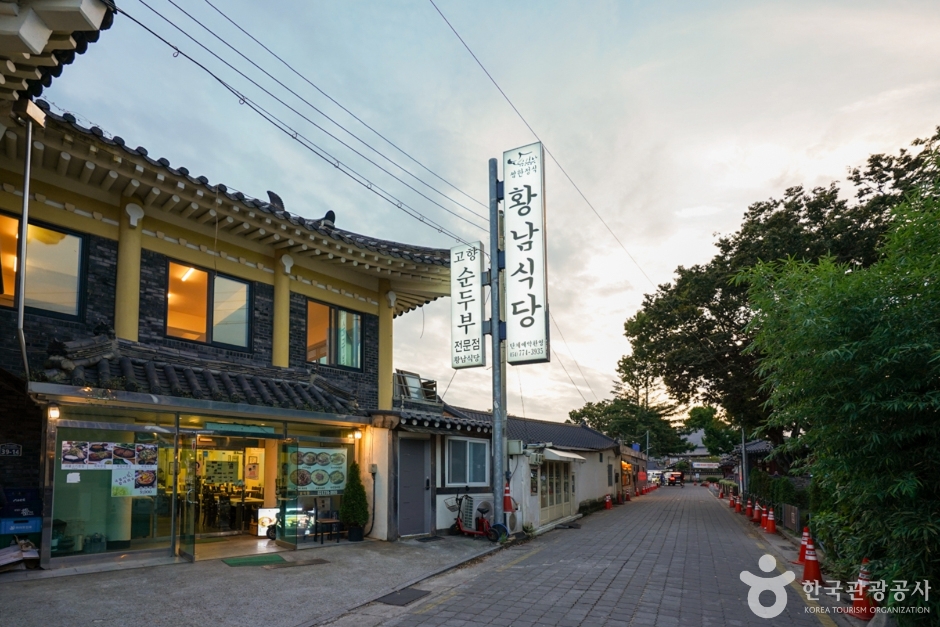
Gyeongju Ssambap Street
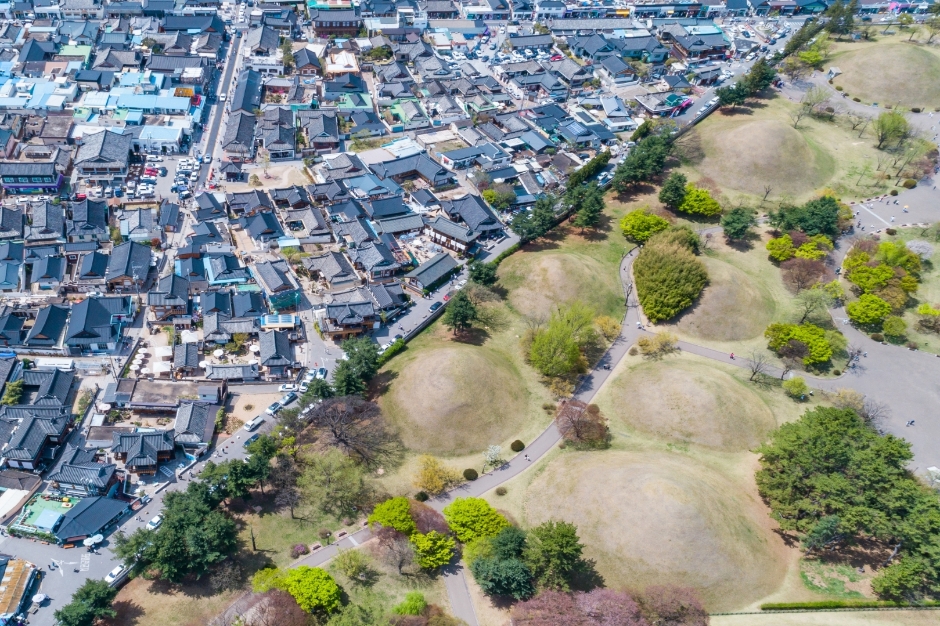
Gyeongju Daereungwon Ancient Tomb Complex

Cheonmachong Tomb (Daereungwon Ancient Tombs)
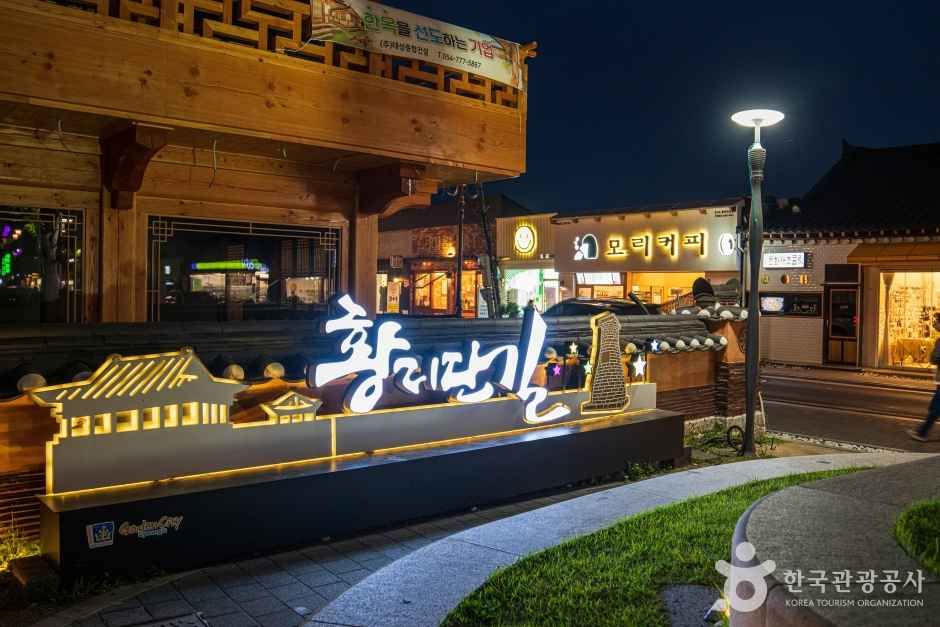
Gyeongju Hwangnidan Street
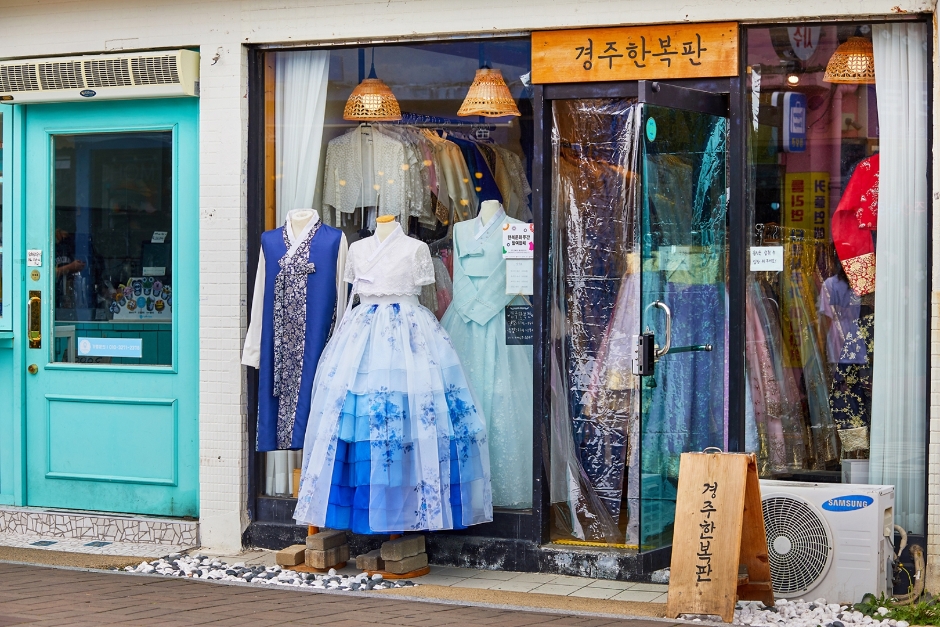
Gyeongju Hanbokpan

Hwangnambbang
Neungpo Dawon
