Andong and Hahoe Village
Andong, in the hills of Gyeongbuk, is Korea’s capital of Confucian tradition: old clan villages, scholars’ academies and a mask dance that has been performed here for centuries. At its heart is Hahoe, a village of tiled and thatched houses in a bend of the river, still lived in and listed by UNESCO. It is quieter and more real than the hanok villages of the big cities.

- From Seoul, the KTX-Eum from Cheongnyangni reaches Andong in about 2 hours; express buses take about 2 hours 50 minutes.
- Hahoe is about 40 minutes from central Andong by city bus or 30 by taxi. Buses are infrequent; check the timetable.
- The Mask Dance Festival runs from late September into early October. See the festival listing.
What to see
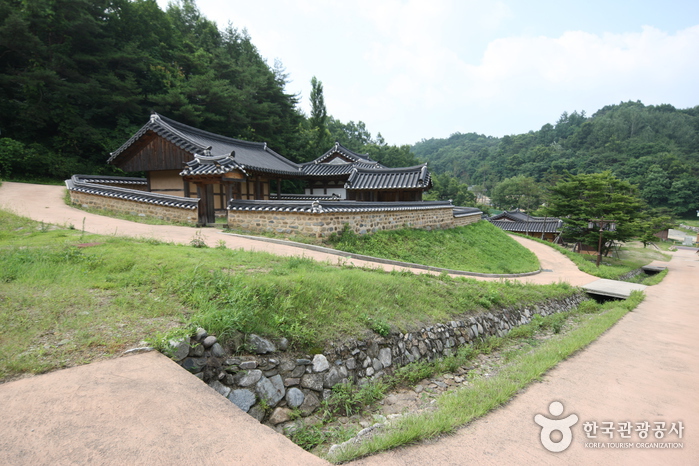
| Hahoe Folk Village | The Ryu clan village, lived in for six centuries, with lanes of mud walls, noble houses and thatched cottages. The Hahoe Byeolsingut mask dance is performed at the village theatre on a regular schedule, most generously at weekends and during the festival. Climb Buyongdae cliff across the river for the view of the whole bend. |
|---|---|
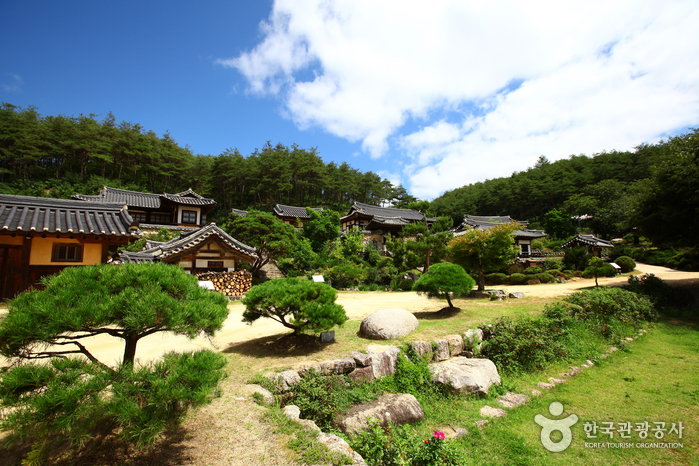
| Byeongsan Seowon | A Confucian academy a few kilometres from Hahoe, with a pavilion looking over the river, one of the most beautiful buildings in Korea. Also UNESCO-listed. |
| Bongjeongsa | A small mountain temple north-west of town whose Geungnakjeon hall is the oldest surviving wooden building in Korea. One of the seven UNESCO-listed mountain temples. |
| Imcheonggak | The 16th-century family house of the independence leader Yi Sang-ryong, by the river in town. Under restoration until 2027, so check what is open before you go. |
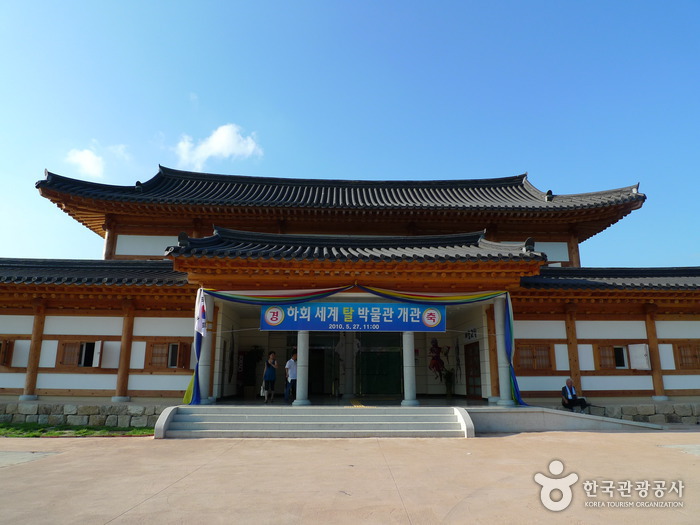
| Hahoe Mask Museum | Masks from Korea and around the world, by the village entrance. |
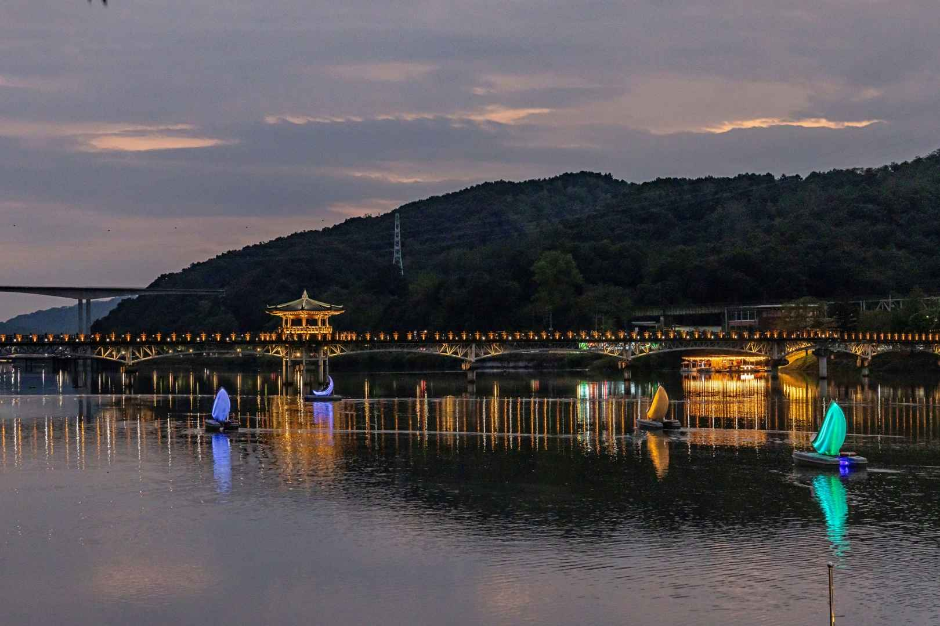
| Woryeonggyo Bridge | A long wooden footbridge over the lake in town, lit at night. |
What to eat and drink
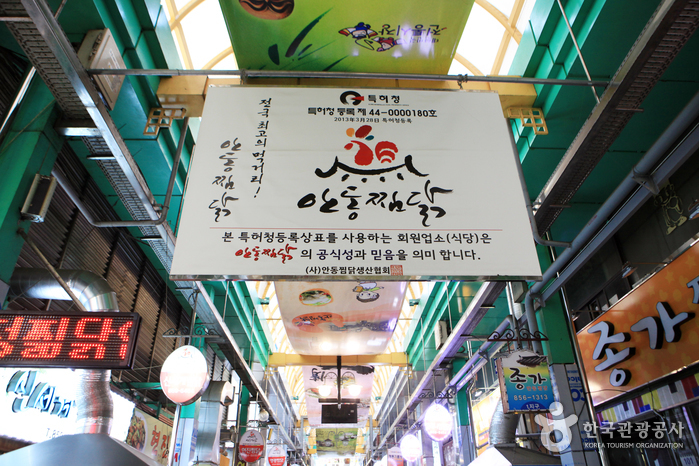
- Andong jjimdak: chicken braised with glass noodles and vegetables in a sweet soy sauce. The market’s jjimdak alley is where it comes from.
- Heotjesatbap: “fake ritual food”, the rice and dishes of an ancestral rite, served at restaurants near the dam.
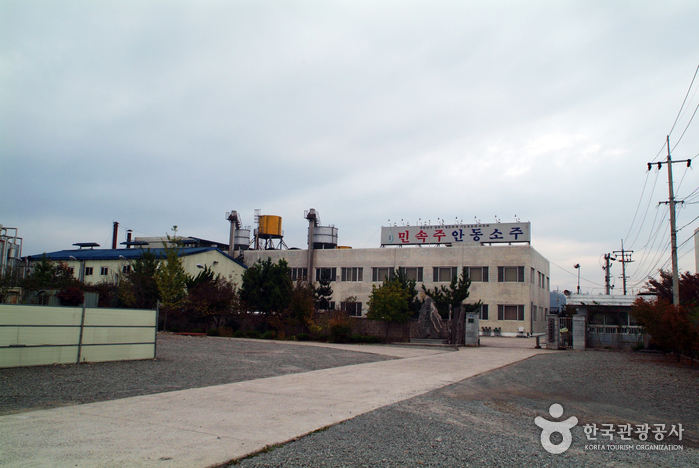
- Andong soju: a strong traditional distilled soju with its own museum.
- Mackerel, salted in the old way for the inland journey from the coast.

2 days in GyeongjuTemplestay in KoreaKorea’s best festivalsEverything in Gyeongbuk
Written by the Korea Almanac editor, a solo operator living in Korea. Last updated 30 September 2026. Prices, dates, opening hours and transport details are checked against the organiser, venue, transport operator or Korea Tourism Organization — how guides are written and checked. Spotted something out of date? Let us know.