New Year’s Eve in Seoul, 2026–27: the bell, the countdowns and the first sunrise
Seoul sees the year out with a bronze bell rather than a fireworks spectacular, and then half the country goes to watch the first sunrise. Both are worth doing once, and both reward a little planning: where to stand, which station is closed, and how you get home at 1 a.m. in −5 °C. 31 December 2026 is a Thursday and 1 January 2027 a Friday, so New Year turns into a long weekend and the coast fills up.
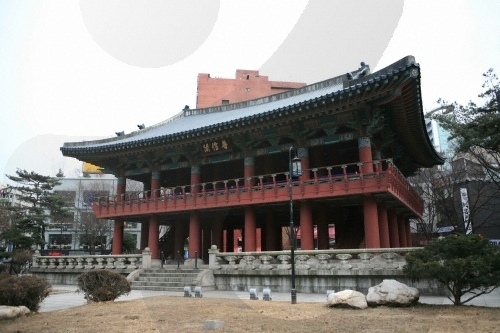

| Bell | Bosingak, Jongno. Ceremony from about 23:00; 33 strokes at midnight; finished by about 00:20. |
|---|---|
| Roads | Last year Jongno, Cheonggyecheon-ro and Ujeongguk-ro around the belfry closed from 18:00 on the 31st until 07:00 on the 1st. |
| Trains | Last year the subway ran late so that final trains reached the end of each line at about 02:00. Jonggak station was closed from 23:00 to 01:00. |
| Sunrise | 1 January 2027: about 07:47 in Seoul, 07:39 at Jeongdongjin, 07:31 at Ganjeolgot near Ulsan (sea level; earlier from a hilltop). |
| Holiday | 1 January is a public holiday. Most attractions open; the national museums close for the day. |
The Bosingak bell
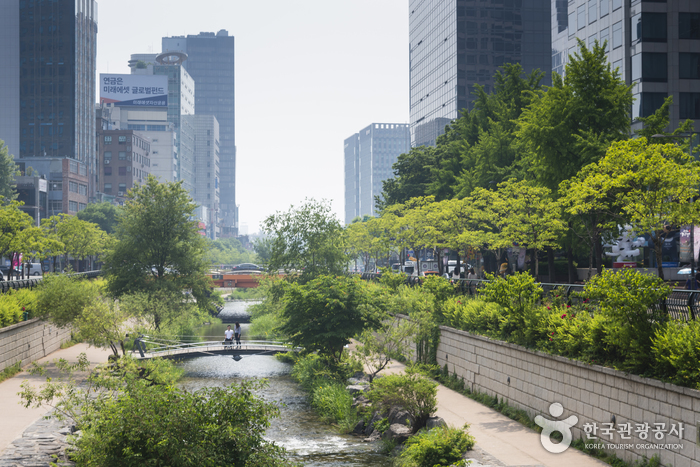
Bosingak, the belfry at Jonggak crossroads, once rang to open and close the city gates. Since 1953 it has rung in the new year: the bell is struck 33 times at midnight by a rota of city officials and ordinary citizens chosen for the year — people who rescued someone, or worked through a disaster. The ceremony runs from about 23:00 with music on a stage beside the belfry, and it is broadcast live, so the crowd is part of the show.
It is big. Police planned for around 100,000 people around the belfry last year, and about 220,000 at events across the city. Since the Itaewon crowd crush in 2022 the event is policed closely: there are marshalled zones, one-way walking routes and crowd-density monitoring, and officers will stop people moving into full sections. That makes it calmer than it looks on television, but it also means you may not reach the belfry at all.
| Getting a view | Be on Jongno by 22:00–22:30. The sides of Jongno 1-ga and the Cheonggye-gwangjang end fill first; the big screens mean you can follow the count from further away. |
|---|---|
| Which station | Jonggak (Line 1), right by the belfry, did not stop from 23:00 to 01:00 last year. Use City Hall, Gwanghwamun, Euljiro 1-ga or Jongno 3-ga and walk. |
| Getting home | Leaving the area takes up to an hour. Last year lines 1–9, the Ui-Sinseol and the Sillim lines ran extra trains, with the last ones arriving at about 02:00; many night buses also ran later. Taxis near Jongno are almost impossible before 01:30 — walk a couple of stations first, or wait it out in a café. |
| Cold | Expect around −5 °C at midnight, and colder in a wind. You will be standing still for two hours: thermal layers, hat, gloves, hand warmers from a convenience store. |
Other countdowns
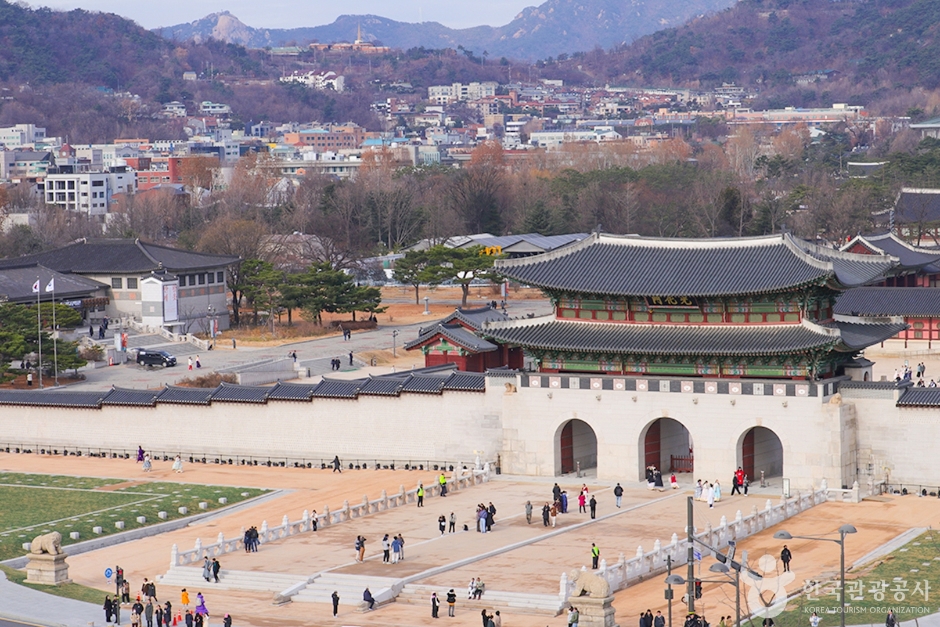
Gwanghwamun Square, ten minutes’ walk from the bell, ends the Seoul Light Gwanghwamun projection season with a countdown on the palace gate and the buildings around the square. It is often a little less packed than Jongno, and the Gwanghwamun Market stalls (11 December – 10 January) give you somewhere to stand near a heater.
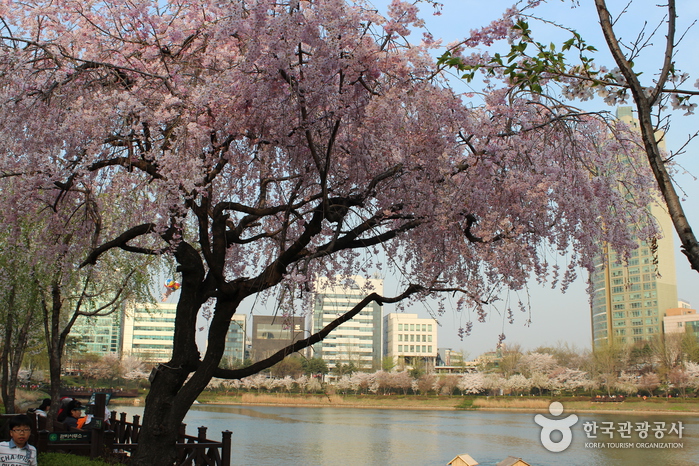
In Jamsil, Lotte World Tower has held a countdown with a media façade, lasers and fireworks from the top of the tower every year since 2018, except during the pandemic and national mourning. The 2025–26 show went ahead, but some of the crowd were disappointed: the fireworks lasted about a minute before it switched to lasers, in a wind chill near −14 °C. Watch from Seokchon Lake or the Han River parks rather than at the foot of the tower, and treat it as a nice extra, not a reason to cross the city. The 2026 show had not been confirmed when this guide was updated.
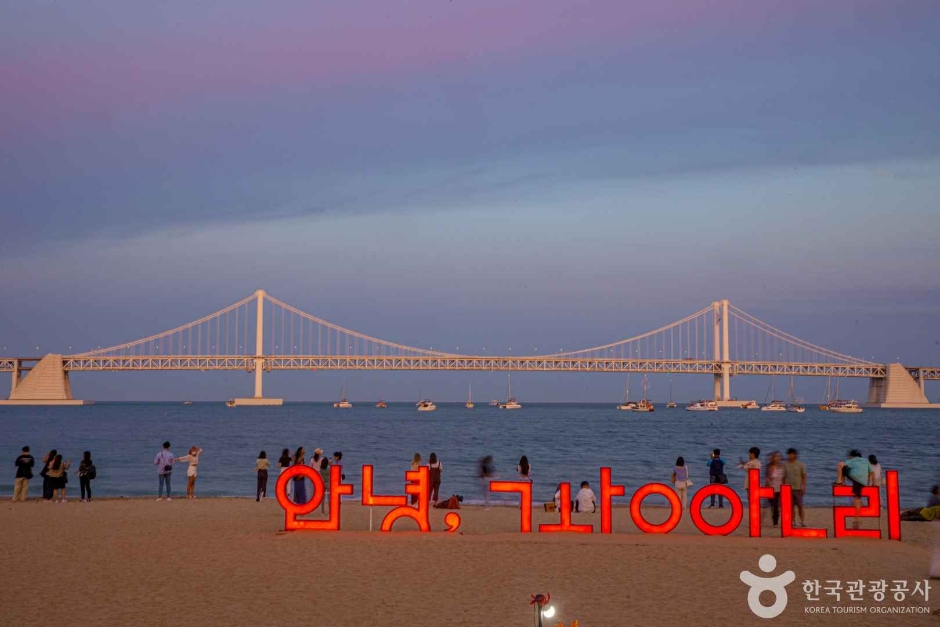
Outside Seoul, Busan holds a countdown at Gwangalli Beach with a drone show over the water, and Jeonju has its own new year’s eve festival.


Countdown Busan

Jeonju New Year's Eve Festival
The first sunrise in Seoul
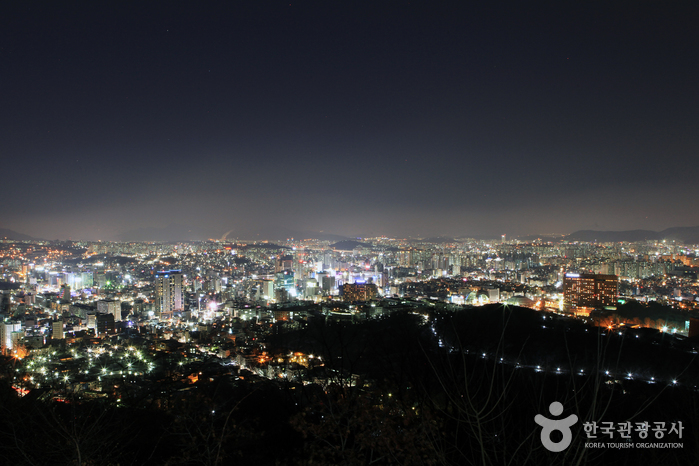
Haemaji — going out to greet the first sun of the year — is a genuine national habit, and you do not need to leave the city for it. Sunrise on 1 January 2027 is at about 07:47 in Seoul; the sky is light from about 07:20. Hilltops see the sun a minute or two earlier and, more importantly, see it clear the far ridges.
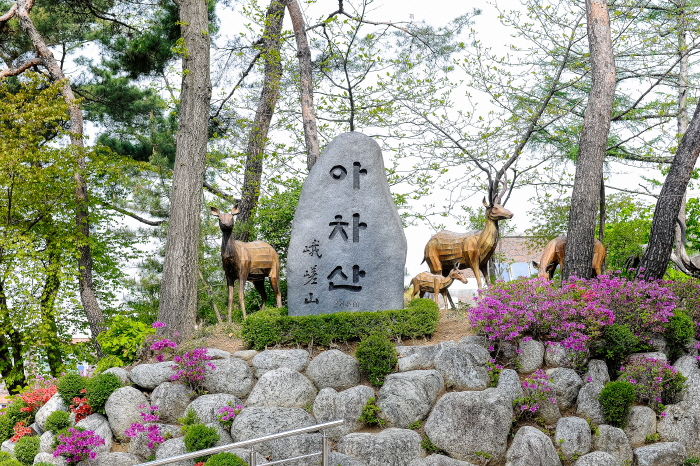
| Achasan | The city’s favourite: an easy 30–40 minute climb on the east side (Achasan station, Line 5) with a clear view across the Han River to the sunrise. Thousands go, so set off by 06:45 and take a head torch. |
|---|---|
| Namsan | Central and open 24 hours; walk up from Namsan’s north side or the Namsangol hanok village. Crowded at the top, but you can be back in bed in Myeongdong by nine. |
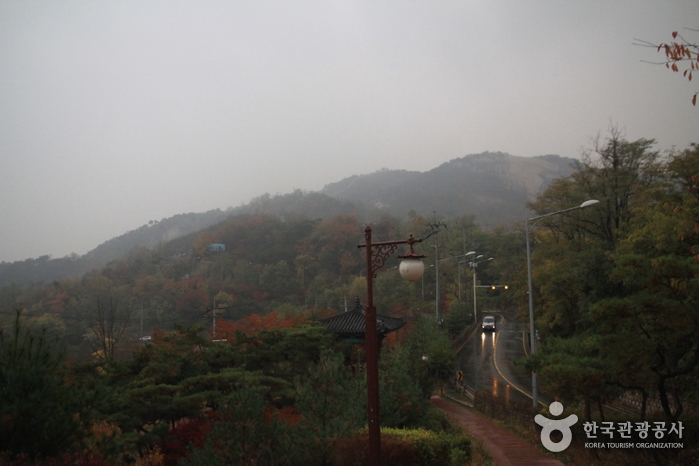
| Inwangsan | Steeper and rockier, along the old city wall, with the whole of central Seoul below you as the light comes up. Icy steps in a cold year — good shoes only. |
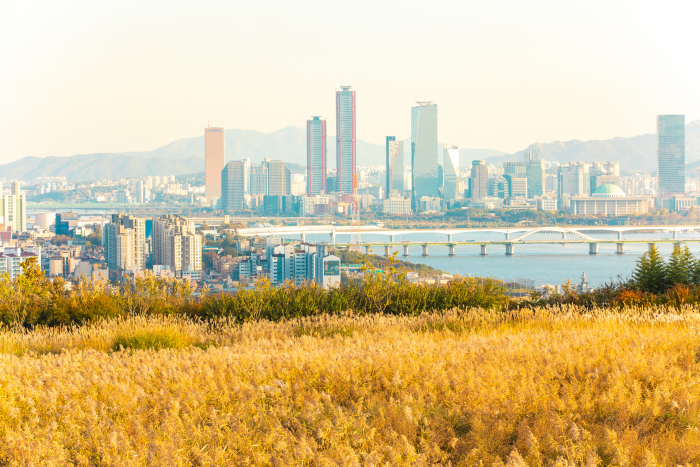
| Haneul Park | The hill above the World Cup Stadium in the west. The park opens at 07:00 in January and there are about 290 steps to the top, so it is tight but doable; the view east is down the river towards the city. |
The east coast and Busan
The classic is Jeongdongjin on the coast south of Gangneung, where the railway line runs right along the beach; sunrise is about 07:39 and the town holds a sunrise festival on the night of the 31st. Korail runs special overnight sunrise trains from Seoul, and regular KTX seats to Gangneung for the 31st sell out within minutes of release about a month ahead. If you miss them, a coach tour is the usual way visitors go — you sleep on the bus and come back the same day.
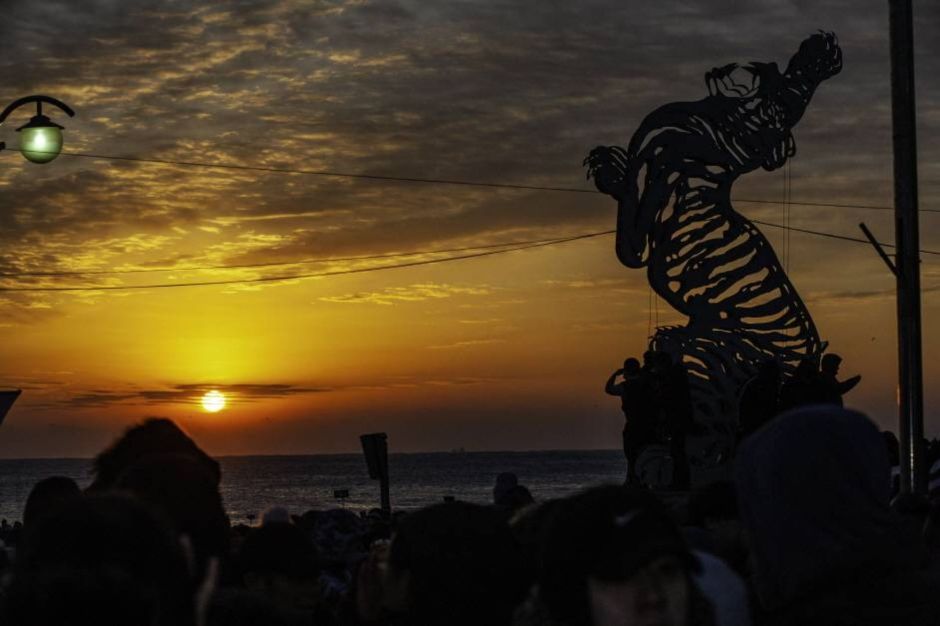
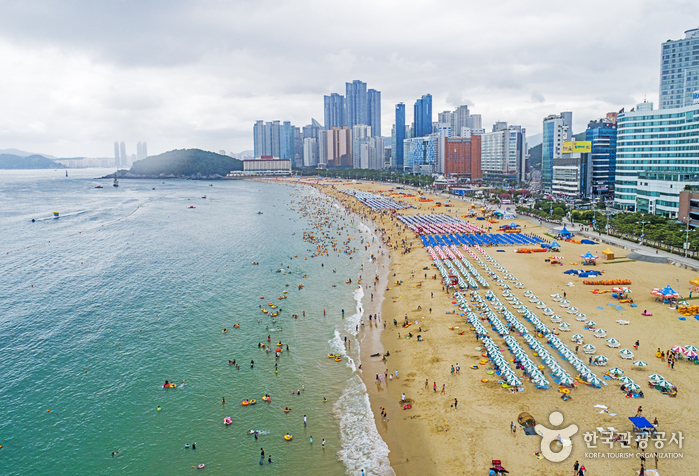
The earliest mainland sunrise is at Ganjeolgot near Ulsan, about 07:31; Homigot at Pohang has the giant bronze hand in the sea. In Busan, Haeundae Beach and Dongbaekseom island are the easy choices — the sun comes up over the sea at around 07:30, and you can combine it with the Gwangalli countdown the night before.

Jeongdongjin Sunrise Festival

Ulju Ganjeolgot Sunrise Festival
Homigot Sunrise Festival

New Year’s Day itself
Koreans eat tteokguk, a clear soup of sliced rice cakes, on new year’s morning — eating a bowl is said to make you a year older. Restaurants near the sunrise spots serve it from dawn. But 1 January is the small new year: the big family holiday, with ancestral rites and travel home, is Seollal, the lunar new year, on 6–9 February 2027. On 1 January almost everything a visitor wants is open, apart from banks, government offices and the national museums.
For the rest of the season — the lantern festival, Christmas in Seoul, ice rinks and what closes on the 25th — see Christmas and New Year in Seoul, and for clothes and cold-weather practicalities the Korea in winter guide.
Christmas & New Year in SeoulKorea in winterGangneung & SokchoJanuary festivals
Written by the Korea Almanac editor, a solo operator living in Korea. Last updated 12 November 2026. Prices, dates, opening hours and transport details are checked against the organiser, venue, transport operator or Korea Tourism Organization — how guides are written and checked. Spotted something out of date? Let us know.
Quick answers
What time is the Bosingak bell-ringing on New Year’s Eve?
The ceremony starts at about 23:00 on 31 December and the bell is struck 33 times at midnight; it finishes by about 00:20.
Does the Seoul subway run late on New Year’s Eve?
Last year final trains on lines 1–9 reached the end of each line at about 02:00, and Jonggak station, next to the belfry, did not stop from 23:00 to 01:00. The 2026 plan is announced in late December.
What time is sunrise in Seoul on 1 January 2027?
About 07:47 at sea level, a minute or two earlier from a hilltop such as Achasan or Namsan. On the east coast at Jeongdongjin it is about 07:39.
Where is the best place to see the first sunrise in Seoul?
Achasan is the favourite: a 30–40 minute climb from Achasan station with a clear view east over the Han River. Namsan and Inwangsan are the central alternatives.