Seollal 2027: the four days that reorganise Korea
Seollal, the lunar new year, falls on Sunday 7 February 2027. The public holiday runs from Saturday 6 to Tuesday 9 February — the Tuesday is a substitute day because the holiday itself lands on a Sunday. It is the biggest family holiday of the year, half the country travels to a hometown and back inside those four days, and a trip that overlaps it needs planning that a normal week does not. It also has real upsides, if you know which ones.

In 2027 the new moon falls just before midnight in Beijing but just after it in Seoul, so Chinese New Year is Saturday 6 February and Korean Seollal is Sunday 7 February. If you are arriving from celebrations elsewhere in Asia, Korea’s calendar is a day behind, and the holiday closures run a day later than you might expect.
What happens
Families gather at the eldest son’s home on the morning of the 7th for charye, a rite of offerings to ancestors, then sebae, the formal new-year bow to elders that children are paid for in crisp notes, then tteokguk, the rice-cake soup that by tradition makes you a year older when you finish it. Many wear hanbok. The following days are for visiting the other side of the family and for the roads home.
For a visitor, the visible effects are: the exodus out of Seoul on the 5th and 6th and back on the 8th and 9th, a city that is briefly quiet and traffic-free in between, and a wave of closures among small, family-run businesses that the chains and the big attractions do not follow.
Open, closed, and free
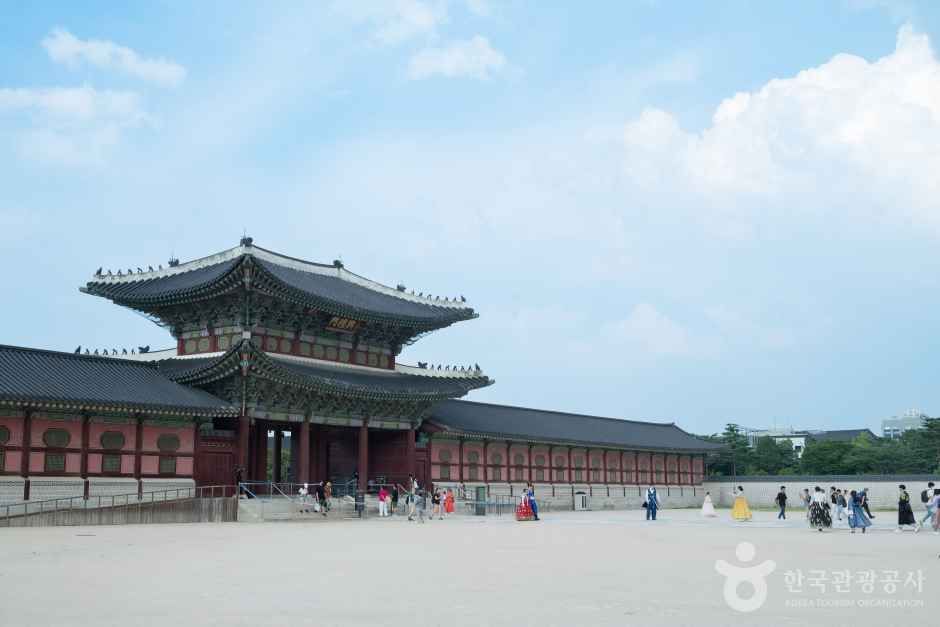
| Palaces | Open every day of the holiday, and in recent years free of charge throughout it. The regular closing day does not apply when it falls on a holiday, so Gyeongbokgung should open on Tuesday the 9th and Changdeokgung and Deoksugung on Monday the 8th, with the closures shifting to Wednesday 10 February. Keep the Wednesday for something else. The rule and the free-entry notice are published each year; confirm in late January. |
|---|---|
| Museums | The National Museum of Korea and the National Folk Museum (inside Gyeongbokgung) close on Seollal day itself, the 7th, and open on the other days — usually with free folk-game programmes in the courtyards. Private museums vary. |
| Restaurants and shops | Independent restaurants, cafés and shops close for two or three days, typically the 6th to the 8th. Chains, convenience stores, hotel restaurants and the food halls of department stores stay open, though most department stores close on the 7th itself. Tourist districts — Myeongdong, Hongdae, Insadong — keep a majority of doors open. |
| Markets | Traditional markets are at their busiest in the days before and largely shut on the 7th. Gwangjang Market’s food alley runs a skeleton crew; do not build a day around it. |
| Theme parks and ski | Everland, Lotte World and every ski resort are open and at capacity. Book ski transport and lift passes ahead; walk-up on the 7th and 8th is a bad afternoon. |
| Banks and offices | Closed from the 6th to the 9th. Currency exchange at the airport and hotels works; bank branches do not. |
Getting around the country, or not
KTX seats for the holiday are released in a special sale about a month beforehand and are gone the same morning. The Korail Pass remains valid but seat reservations on the peak days are scarce, so expect to stand or to travel at odd hours. Domestic flights to Jeju fill weeks ahead. Motorways are famously solid — the Seoul to Busan drive can double — and express buses are the honest fallback, since they add departures and sell in the terminal on the day.
The practical advice is simple: stay in one city across the four days and do the long-distance move before the 5th or after the 9th. Incheon Airport is at its busiest of the year for outbound Koreans on the 5th and 6th and inbound on the 9th and 10th, which affects check-in queues more than immigration for foreign passports.
Why it is a good week to be in Seoul
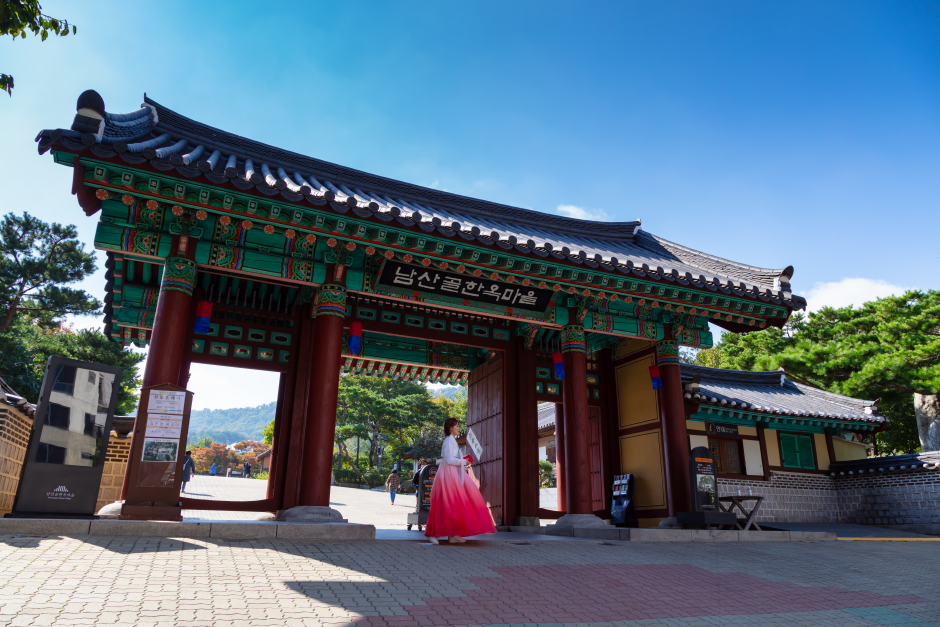
The city empties. The palaces are free and photograph better without crowds, the subway is quiet, taxis are available, and the folk programmes are genuinely charming: Namsangol Hanok Village and the Korean Folk Village south of the city run yut-nori board games, kite-flying, tteok-pounding and hanbok try-ons across the holiday, mostly free. Wear hanbok to a palace on the 7th and you will be photographed by strangers all afternoon. Mountain trails are empty; Bukhansan on Seollal morning is as close to solitude as Seoul gets.
Two things to eat
Tteokguk, the new-year soup of sliced rice cake in a clear beef broth, is on every menu that is open and is the one dish to order that day. Jeon, the savoury pancakes fried for the ancestral table, are sold hot in the markets in the days before and are the best snack of the week. Both are cheap, everywhere, and briefly seasonal in a way little else in Korean food is.
Korea in winterChristmas & New YearFebruary festivalsTrip Planner