A DMZ tour from Seoul: what you actually see
The Demilitarized Zone is the 4 km-wide strip that has divided the peninsula since the 1953 armistice, and its southern edge is an hour north of Seoul. You cannot walk into it — access beyond the Civilian Control Line is by registered tour or military-run programme only — but a day on the edge of it is one of the most memorable things a visitor can do in Korea. It helps to know in advance what the day is and is not, because the marketing promises more than the border allows.
- Bring your passport. Not a photo, not a copy. Soldiers check it at the Civilian Control Line, and tours cannot take you in without it.
- Closed on Mondays and on some national holidays, and it can close at a day’s notice for military or security reasons. Reputable tours refund when that happens.
- The JSA (Panmunjom), the blue huts, is a different thing. Tours to the Joint Security Area were suspended in 2023 and access has been intermittent since. If a listing promises the blue huts, check the current status before paying.
The standard Paju day
Nearly every tour from Seoul runs the same loop in Paju, west of the peninsula, in about six hours with hotel pick-up.
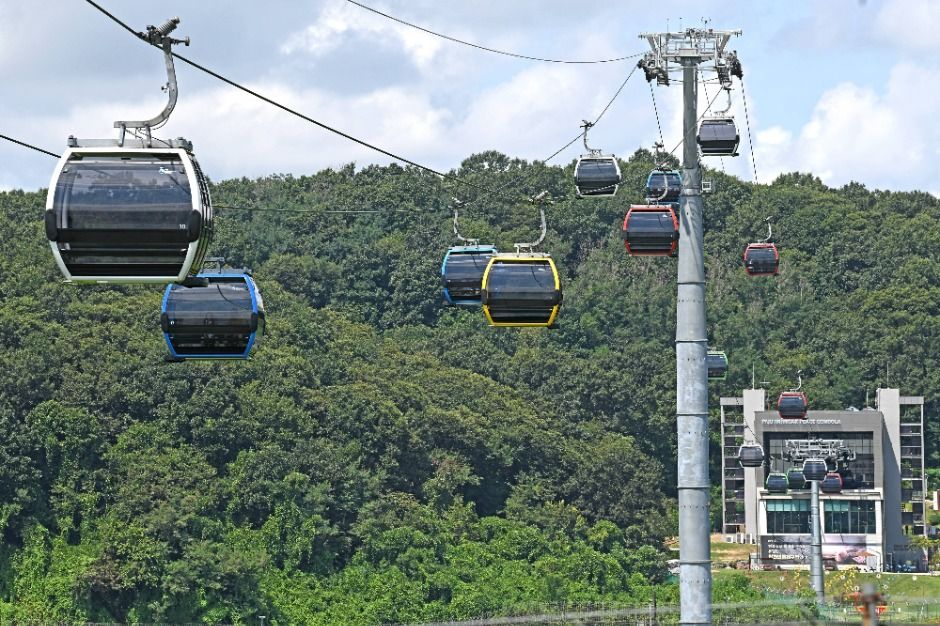
| Imjingak | A park and memorial on the south bank of the Imjin River, outside the control line — the Freedom Bridge, a bombed steam locomotive, and ribbons left by families separated since the war. Anyone can come here on their own; the Peace Gondola crosses the river into the control zone for a view north. |
|---|---|
| Third Infiltration Tunnel | One of four tunnels dug south by North Korea and discovered in 1978. You walk (or take a small train) down a steep 350-metre incline to the tunnel itself, in a hard hat, stooping in places. No photographs inside; lockers are provided. The walk back up is harder than it looks. |
| Dora Observatory | A hilltop looking across the zone to the North Korean propaganda village and the city of Kaesong on a clear day. Photography is restricted to behind a marked line; haze often shortens the view. |
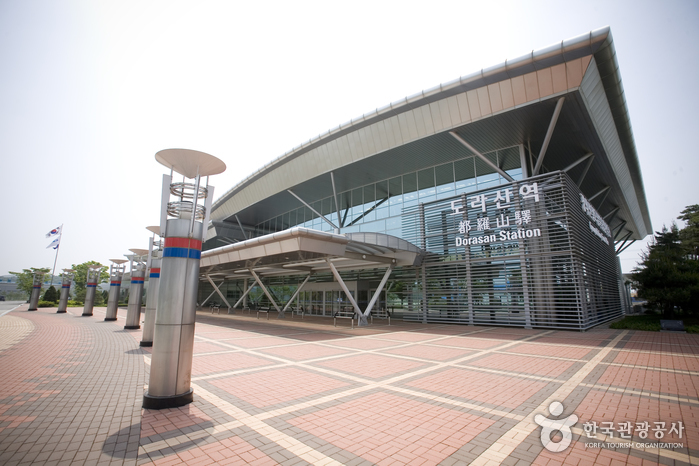
| Dorasan Station | The last station on the line north, built for trains to Pyongyang that have never run regularly. A strange, quiet, deeply symbolic building. |
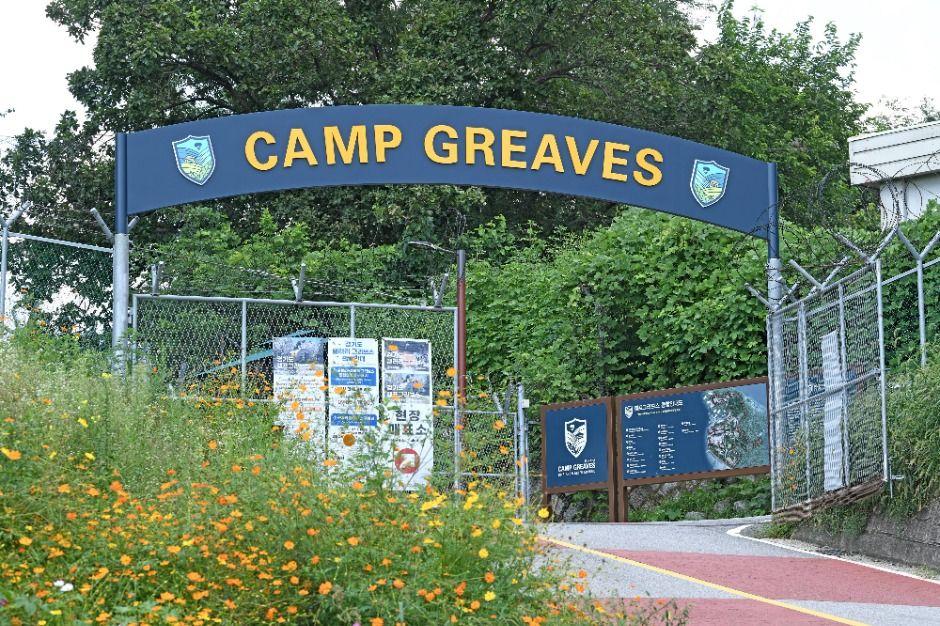
| Camp Greaves | A former US Army base inside the control line, converted into a small museum and guesthouse. Included on some tours. |
Tour or on your own?
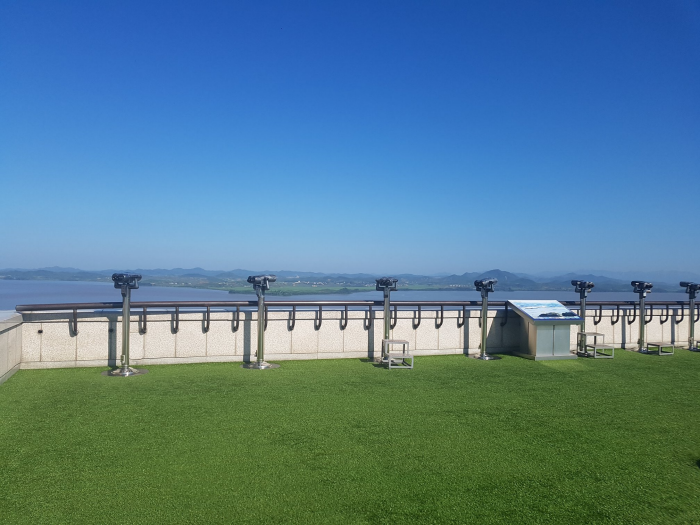
Imjingak, the Peace Gondola and Odusan Unification Observatory you can reach independently: Imjingak by the Gyeongui–Jungang Line and a bus, Odusan by bus from Hapjeong in Seoul. Everything past the Civilian Control Line — the tunnel, Dora Observatory, Dorasan Station — needs a registered tour or the local security tour that leaves from Imjingak, which sells a limited number of places each day and requires a passport at the ticket desk. For most visitors a half-day or full-day tour from Seoul is simpler: pick-up, the paperwork, an English-speaking guide, and typically ₩50,000–90,000. Tours that add a North Korean defector talk are worth the extra.
Two quieter alternatives
| Cheorwon | Two hours north-east, the “Iron Triangle” of the heaviest fighting of the war: the bombed-out shell of the Workers’ Party headquarters, the Second Tunnel, and the Seungri Observatory. Fewer visitors, more landscape, and in winter the red-crowned cranes on the fields. Best on a tour; public transport is thin. |
|---|---|
| Goseong | On the east coast north of Sokcho, the Goseong Unification Observatory looks up the shore toward Mount Kumgang. It pairs naturally with Seoraksan in the foliage season — see the autumn foliage guide. |
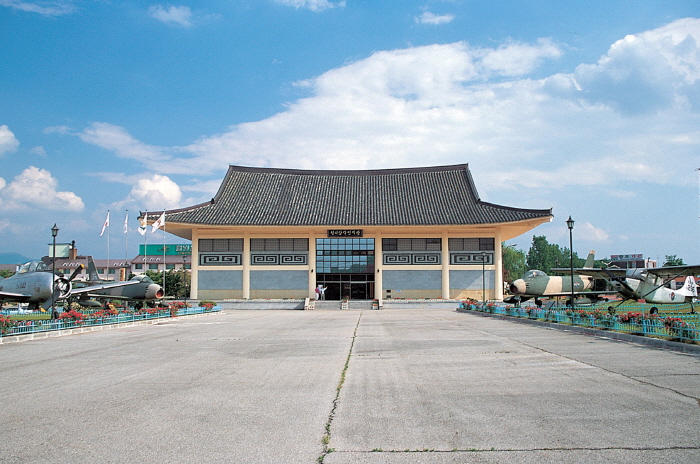
Cheorwon Facilities Management Office (Formerly, Iron Triangle Battlefield
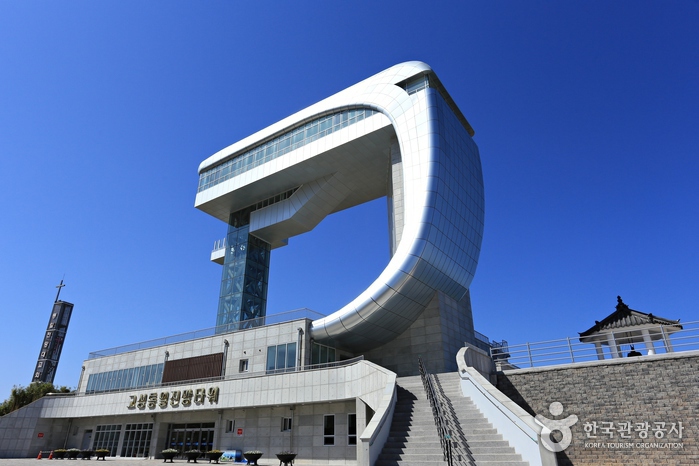
Goseong Unification Observatory
Practical notes
- Wear shoes you can walk a steep slope in; the tunnel is damp and cool all year.
- Dress codes have eased, but some tours still ask you to avoid ripped jeans, camouflage and military-style clothing.
- Children usually need to be at least 6–10 depending on the site; check the tour’s age rule.
- Clear, dry days after rain give the best views north; summer haze and spring yellow dust often hide Kaesong entirely.
More day trips from Seoul3 days in SeoulEverything in GyeonggiEverything in GangwonTrip Planner